

© Evaneos
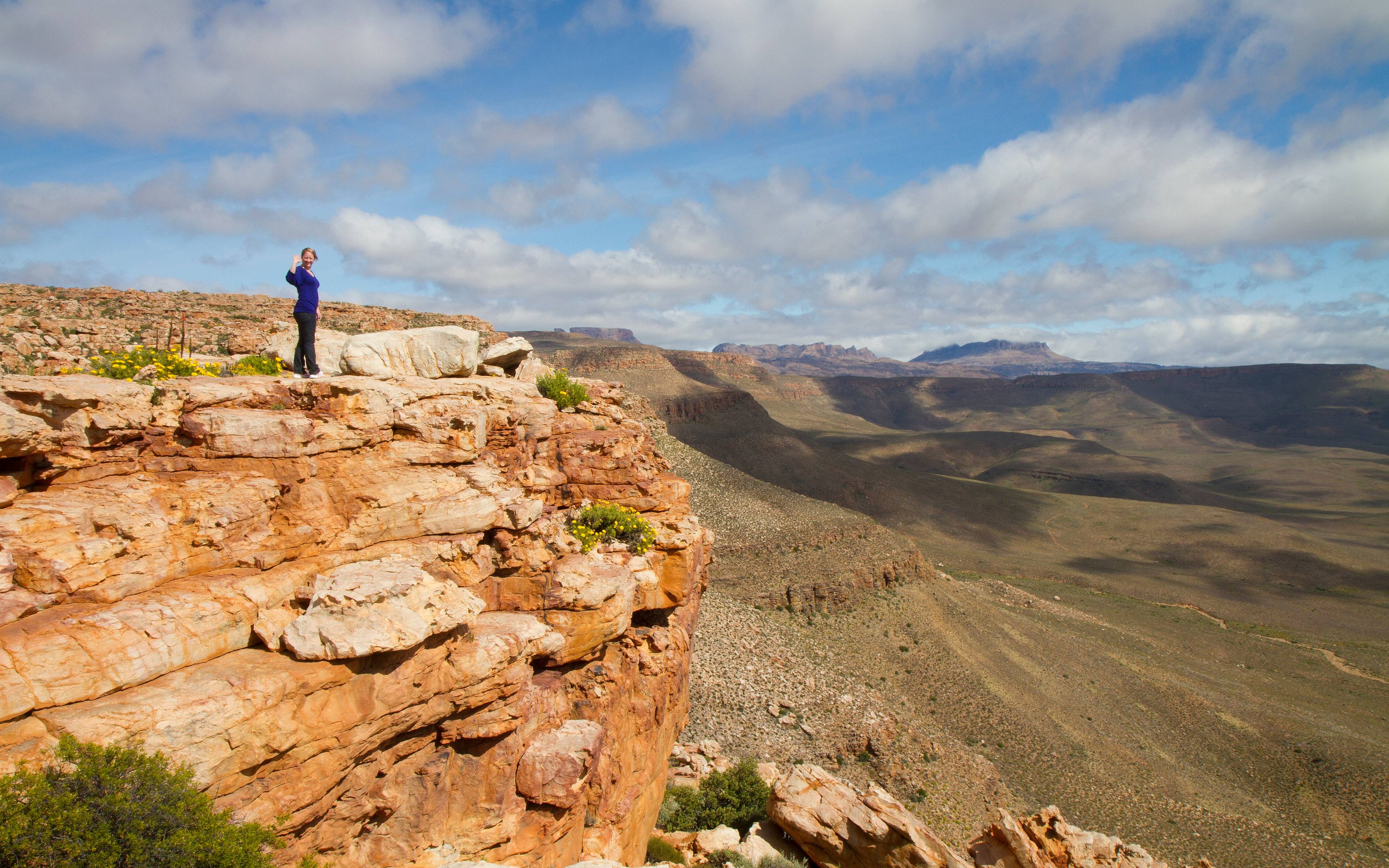
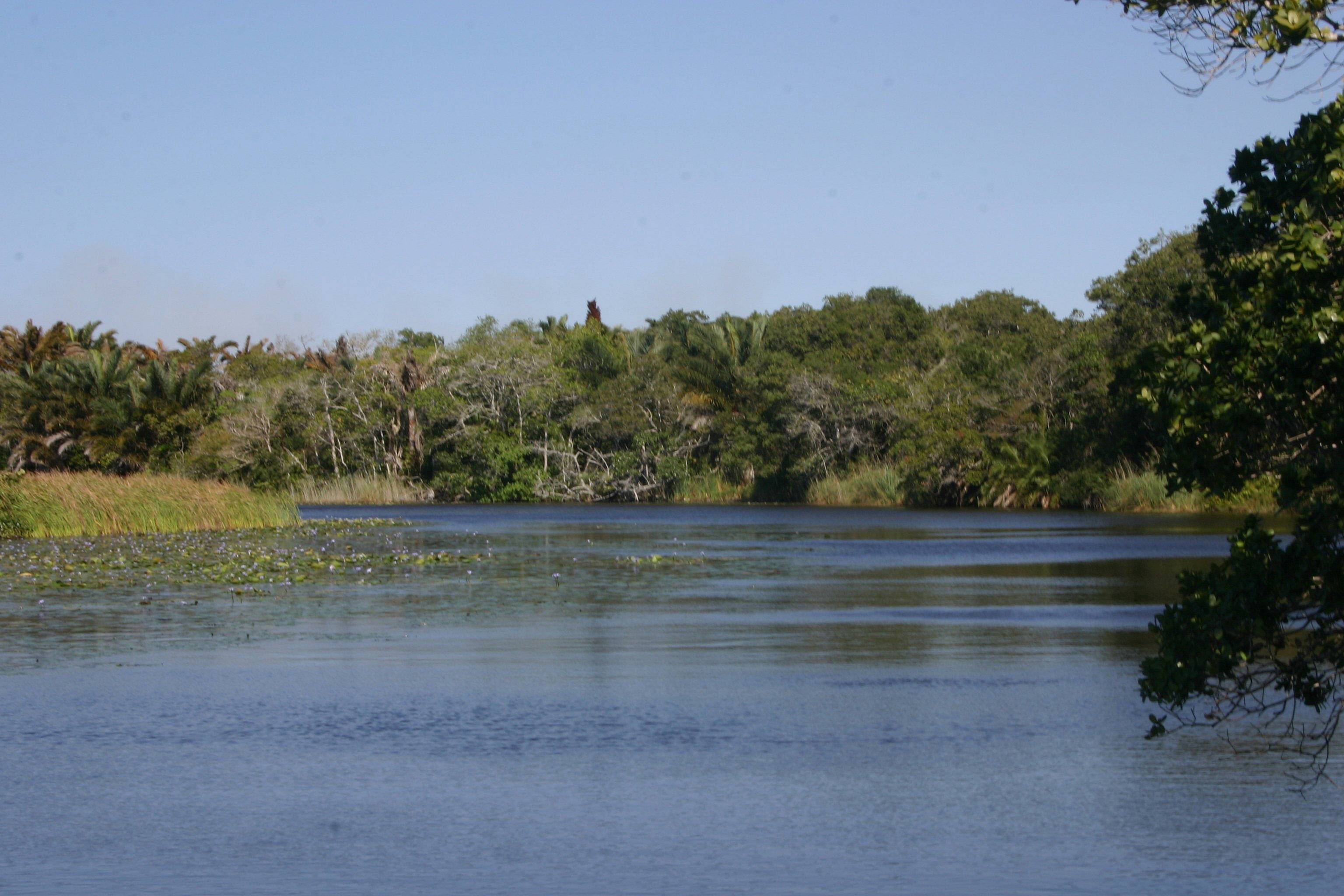
A country of contrasts, South Africa offers its visitors diverse landscapes; from the forest of Kruger National Park to the Kalahari desert, passing through the green hills of Zululand or the Mediterranean vegetation of the Cape. African and Western, tribal and ultramodern, the numerous faces of South Africa rub shoulders but do not resemble each other.
Although its administrative capital is Pretoria the economic lungs of the country is none other thanJohannesburg an evolving megalopolis, as fascinating as it is complex. A modern city of fascinating urban cultures is waiting to be discovered.
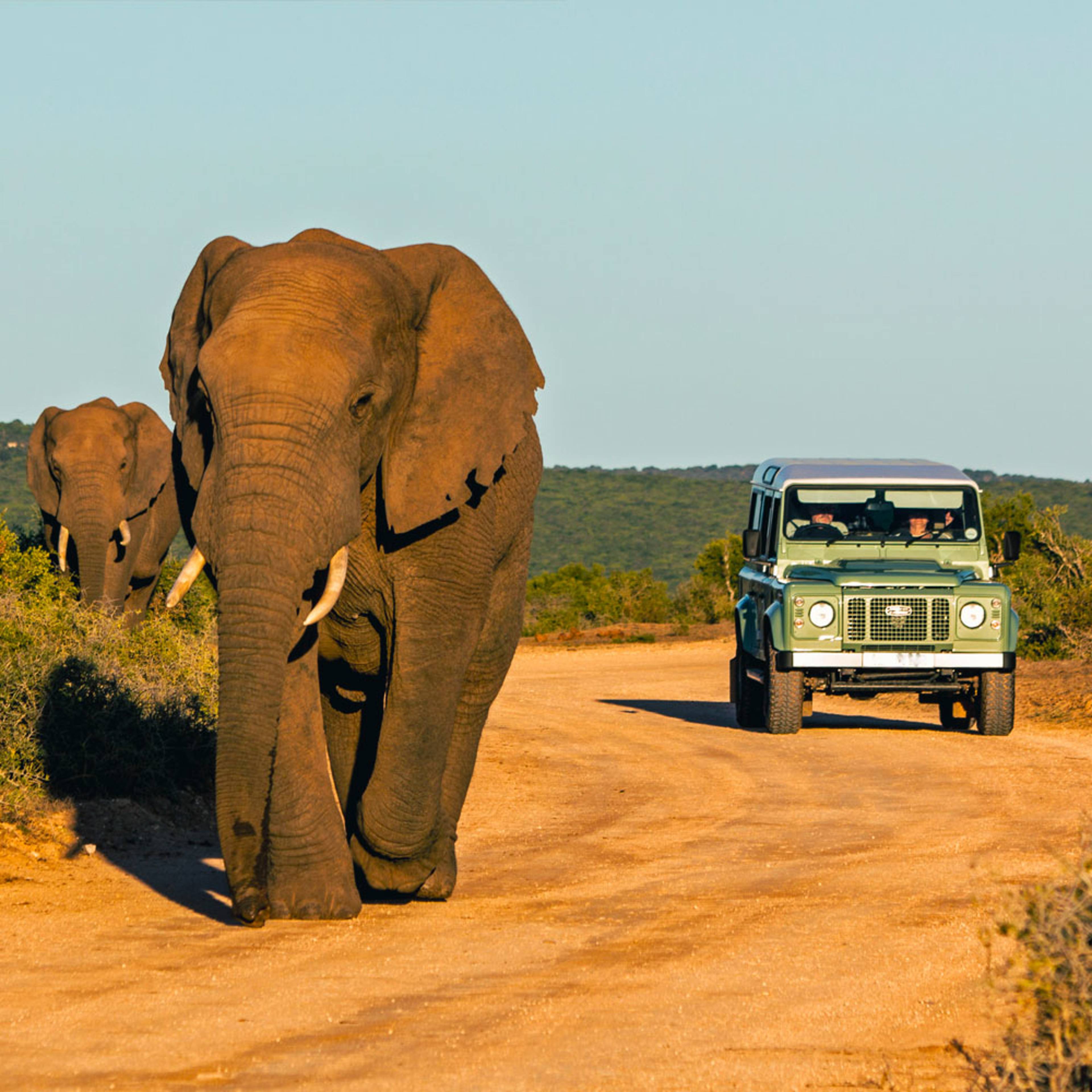
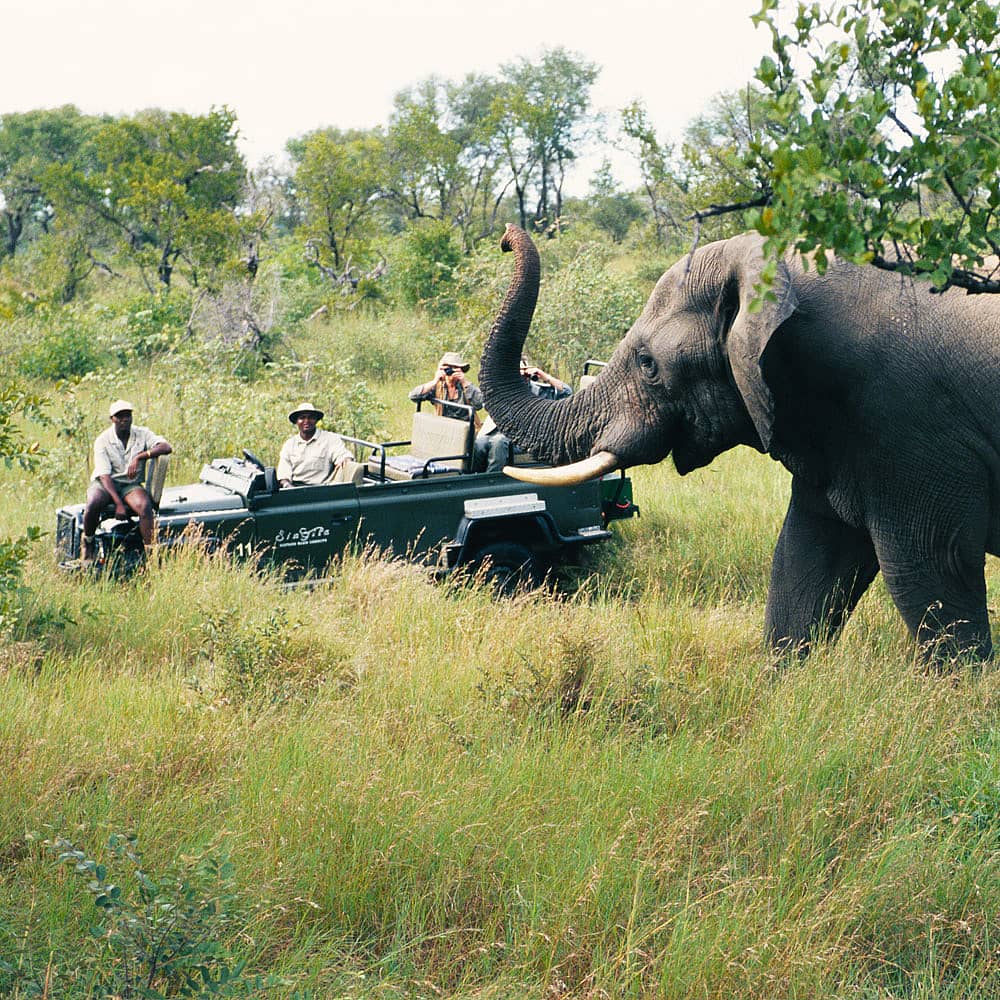
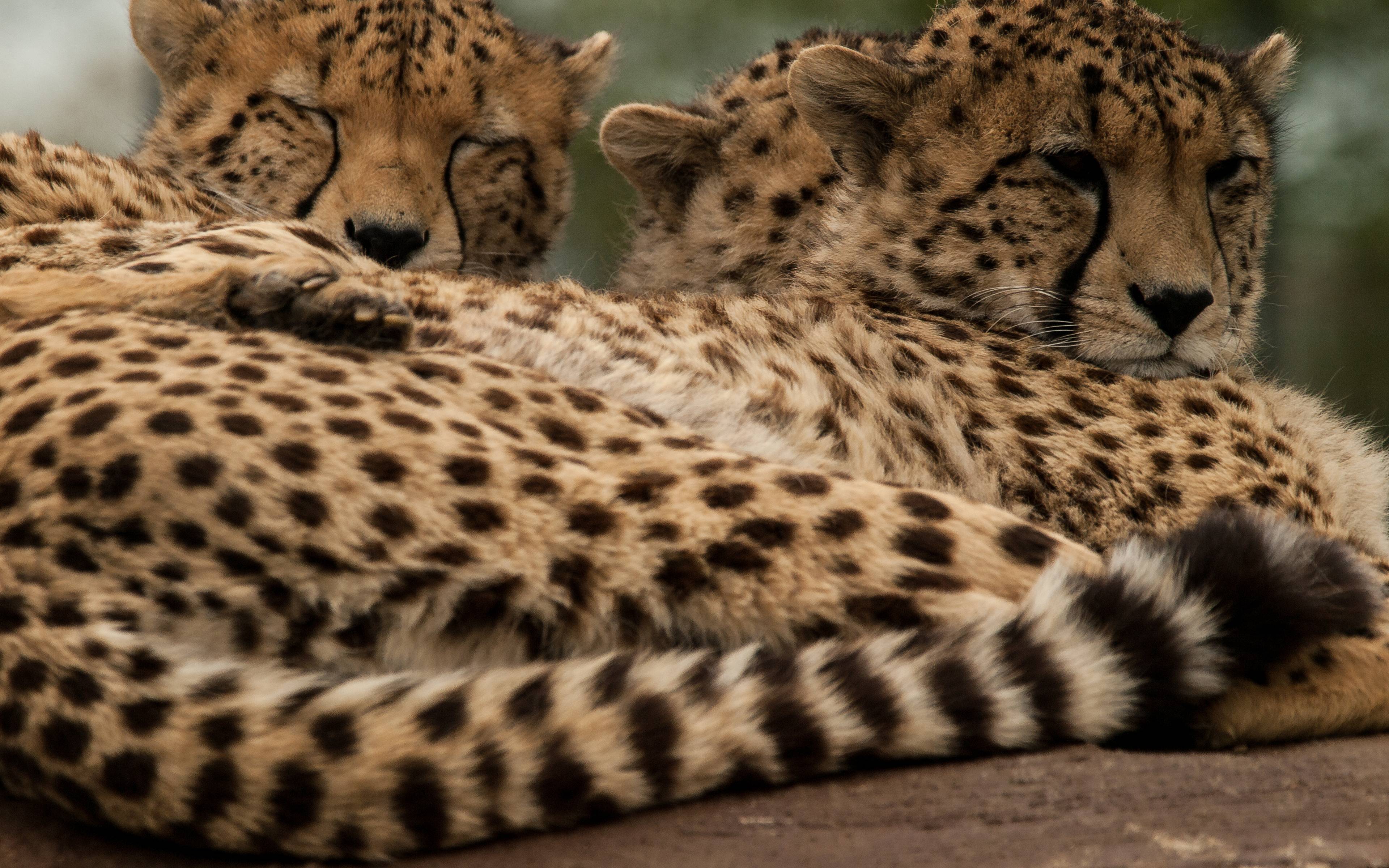
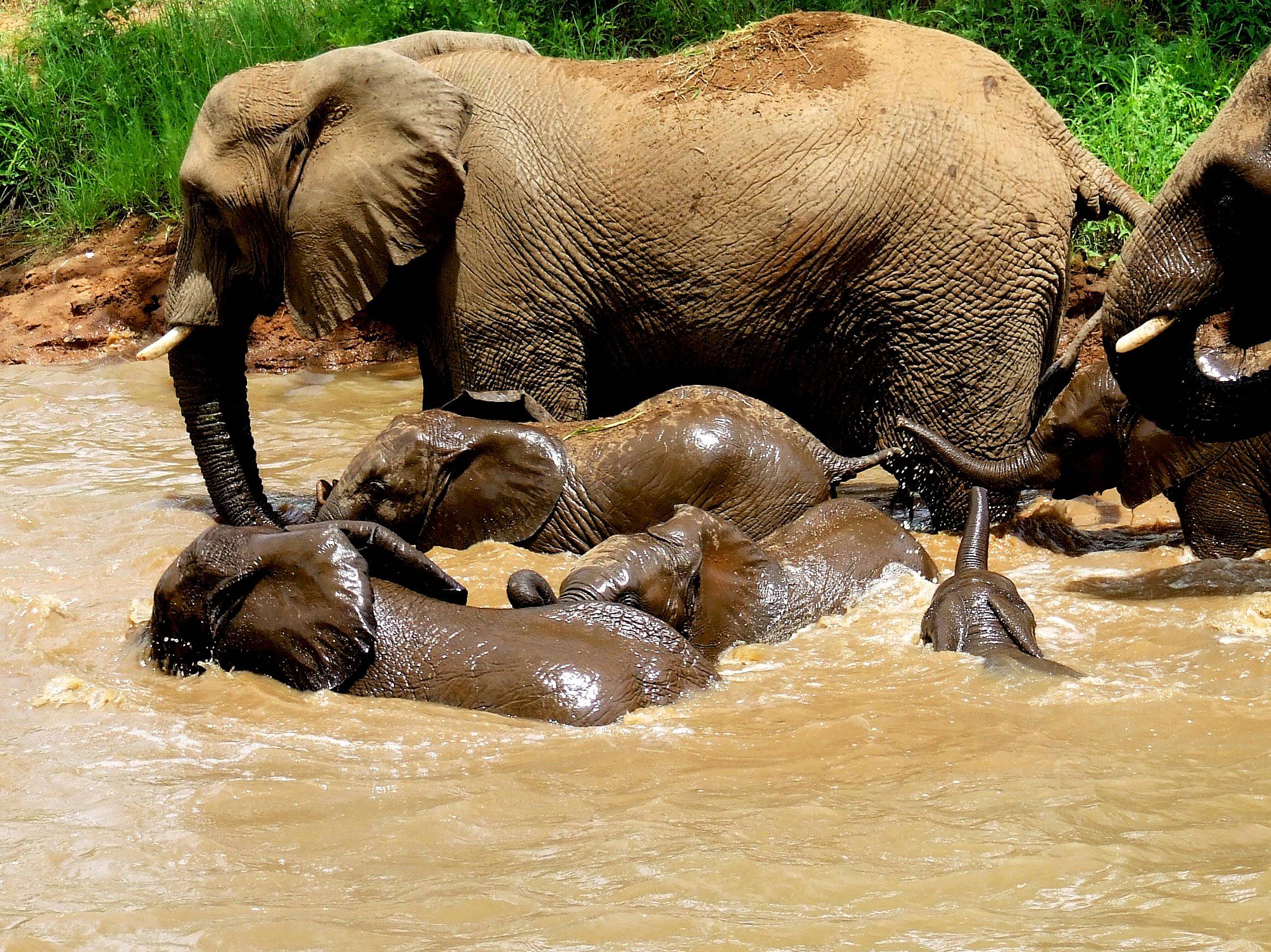
A few hours northeast of the country and as big as Belgium; theKruger National Park) is the main attraction. Here safari is open to even the smallest budgets contrary to many other countries, as you can safari in your own car or camper-van. There you can see lions, elephants, buffaloes, leopards and rhinos as well as cheetah, giraffes, antelope, etc.
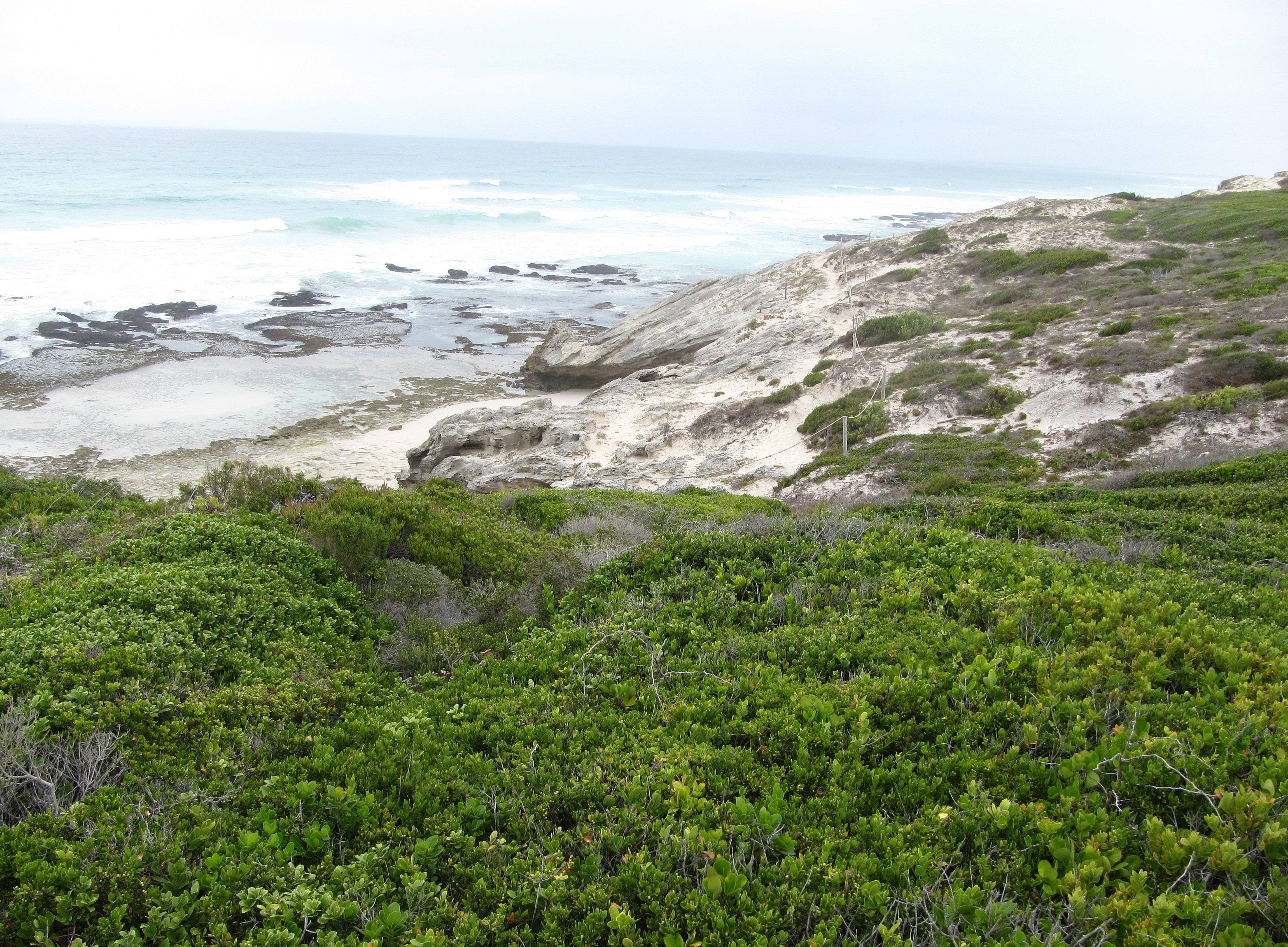
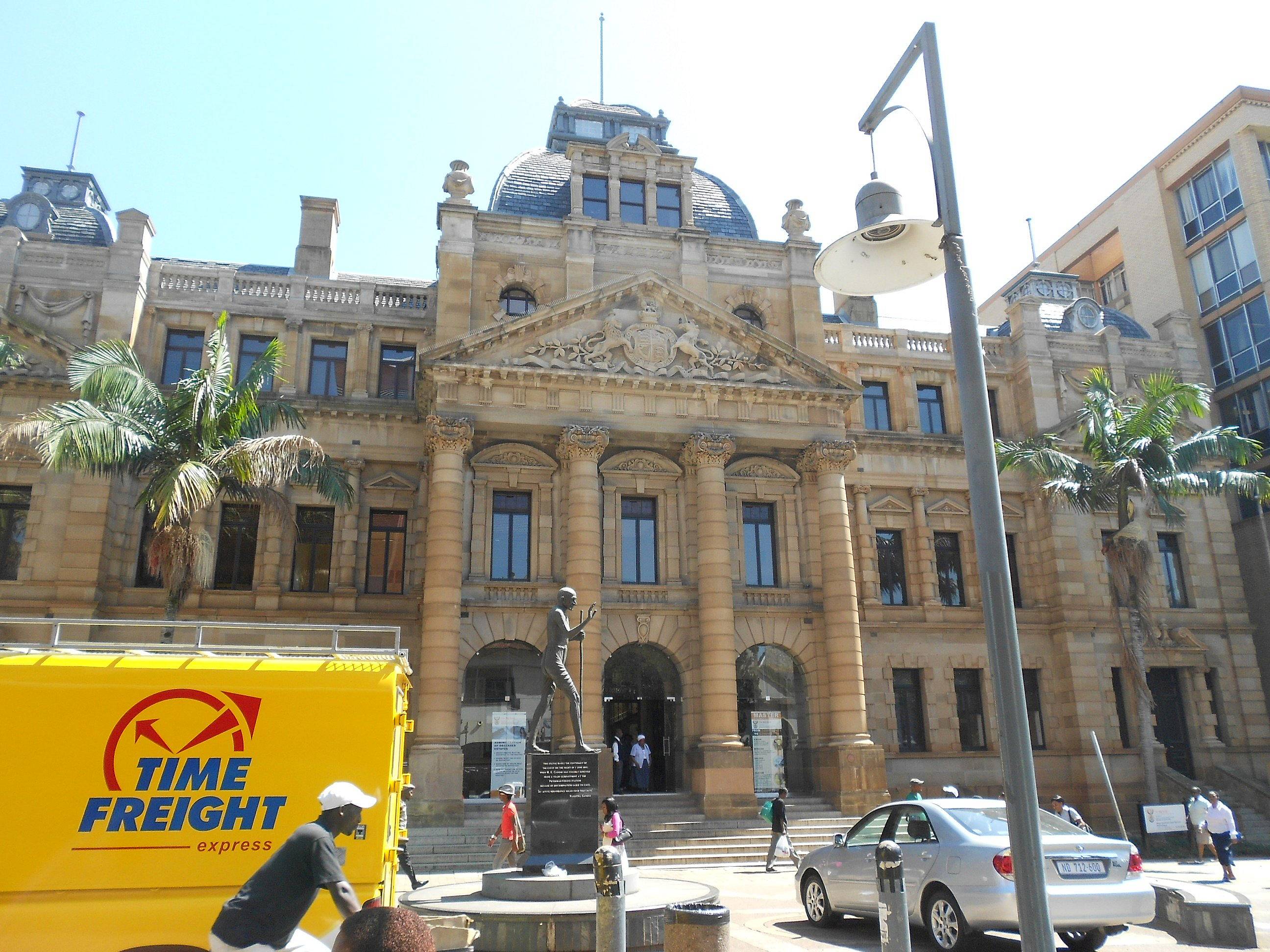
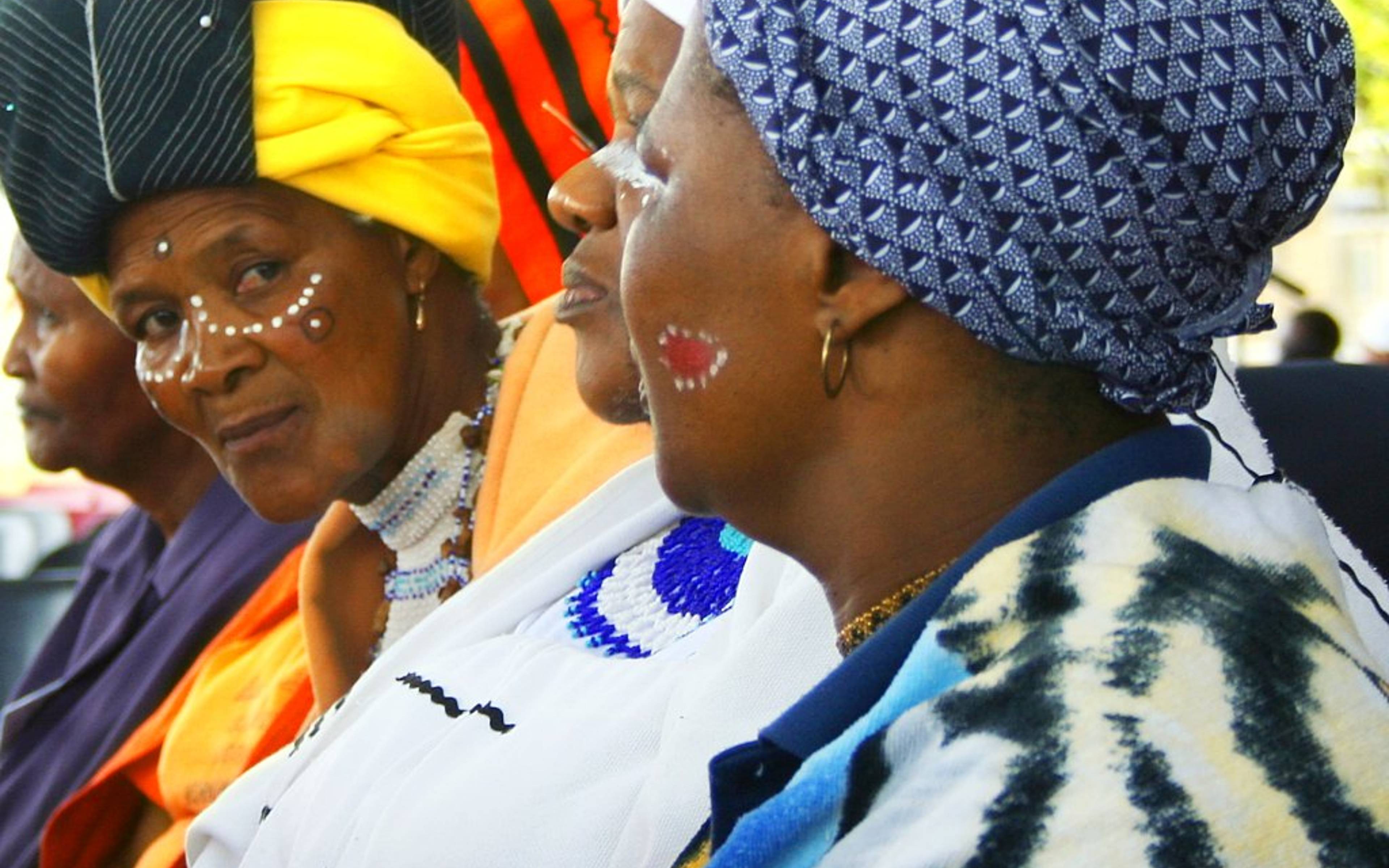
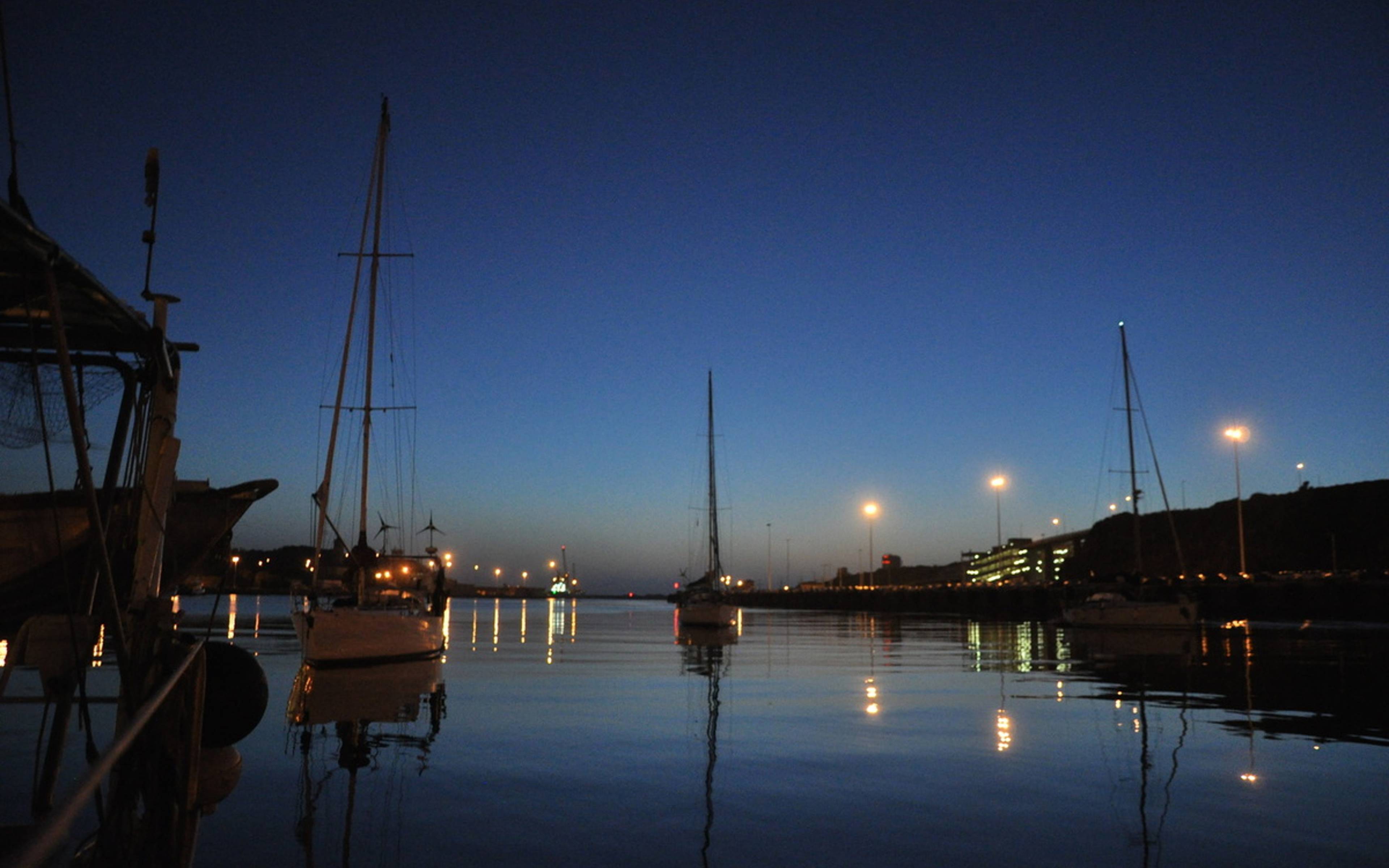
By following the coast of the Indian Ocean, you will findDurban the country's third city, half Zulu half Indian. Then walk along the buttresses of theDrakensberg mountains, before descending towards theWild Coast. The Xhosa country preserves its rich ancestral tradition and its villages of colourful round huts that stand along a jagged cliff edge, isolated from the magnificent wild beaches.
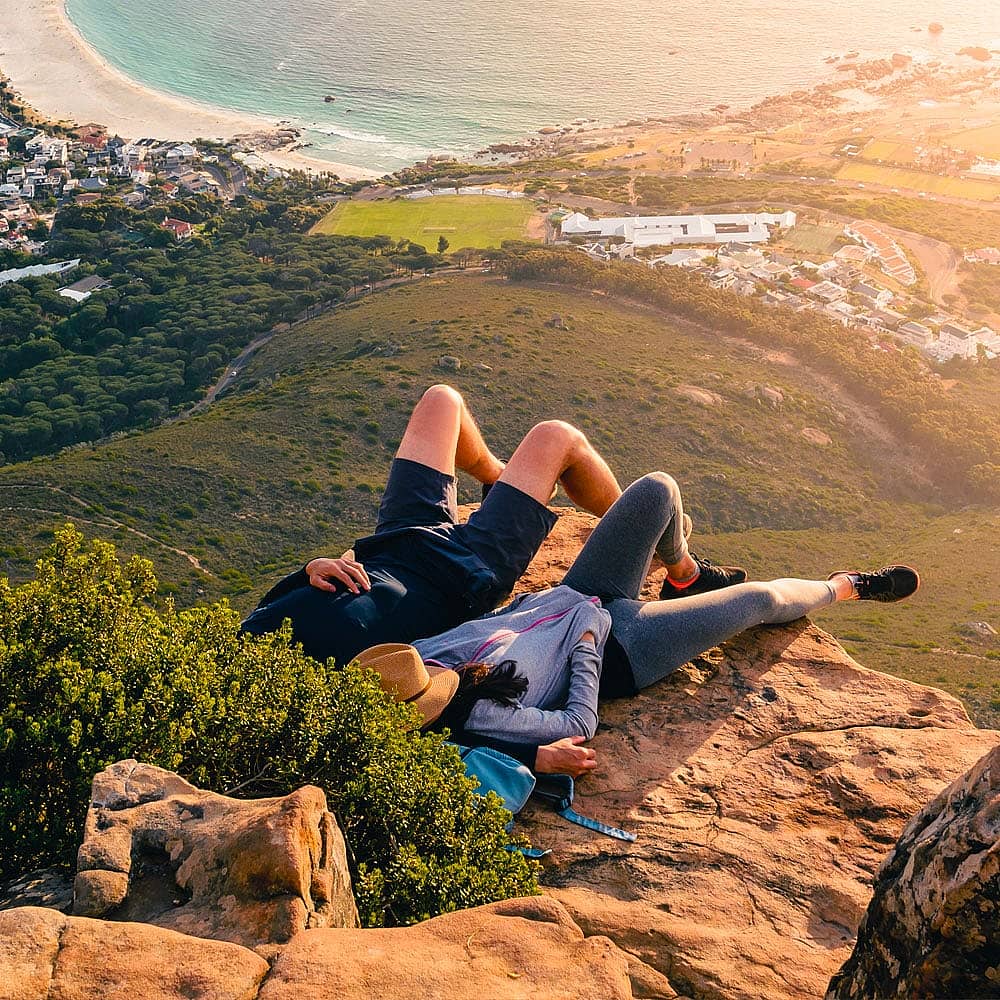
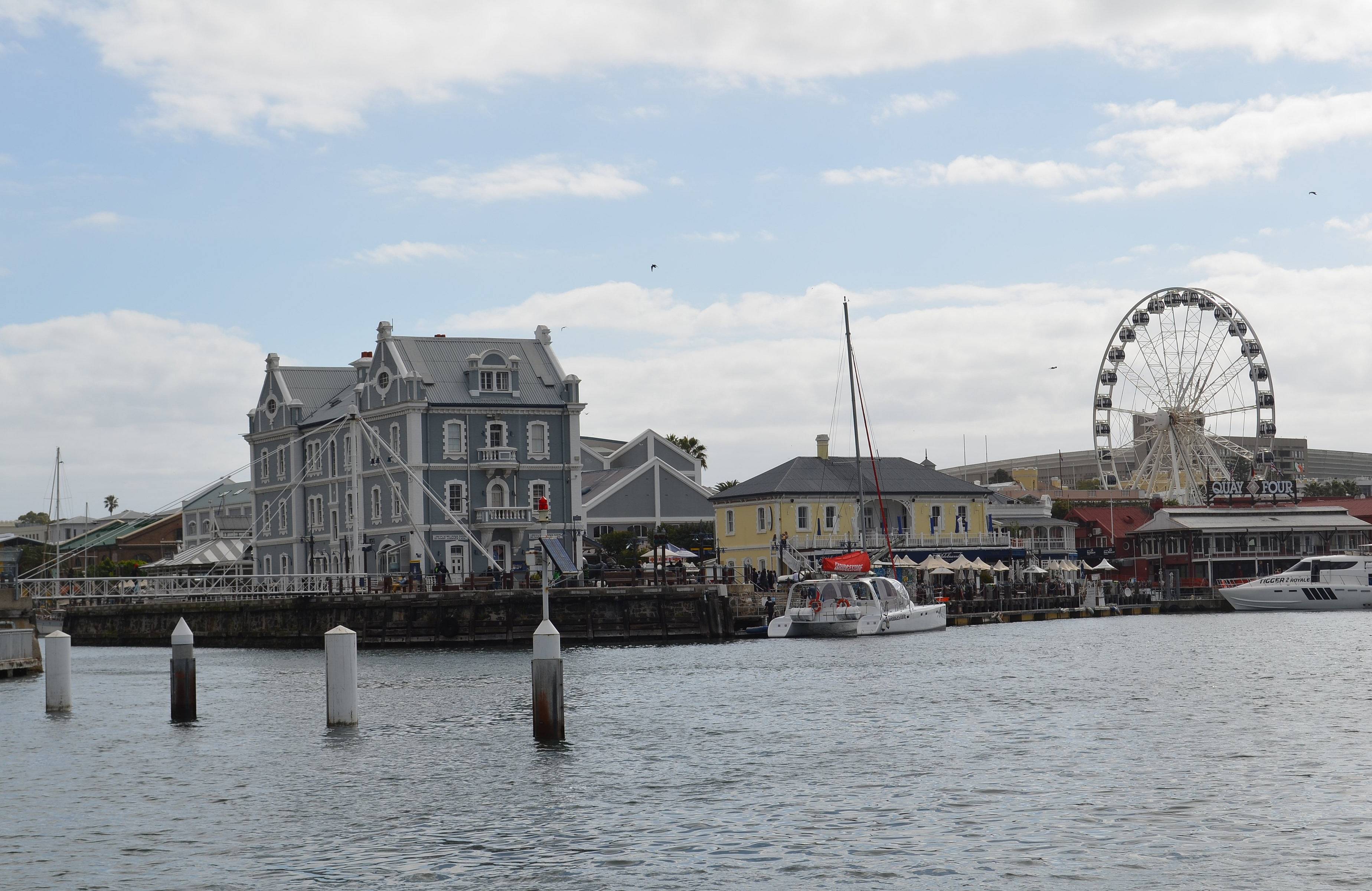
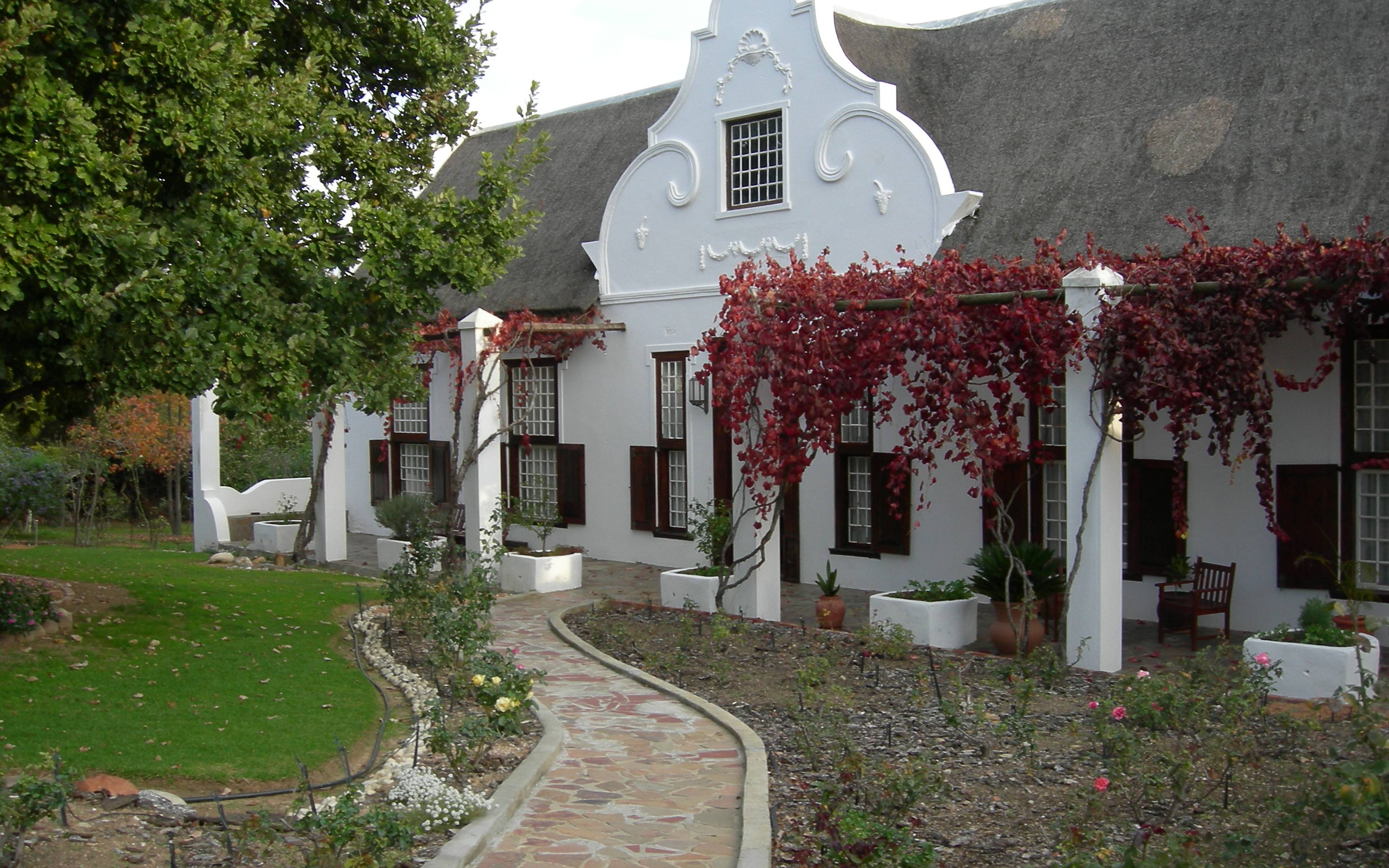
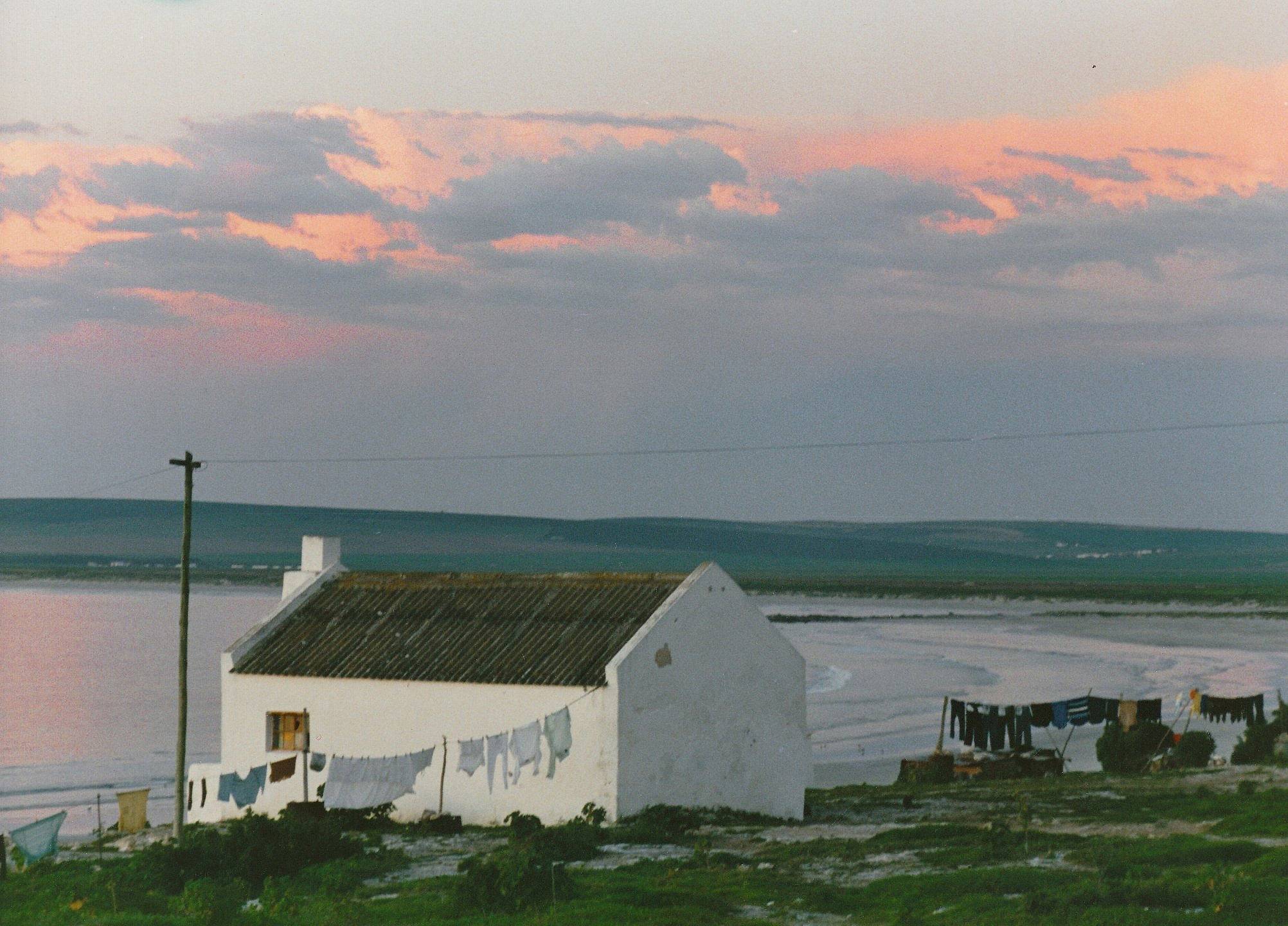
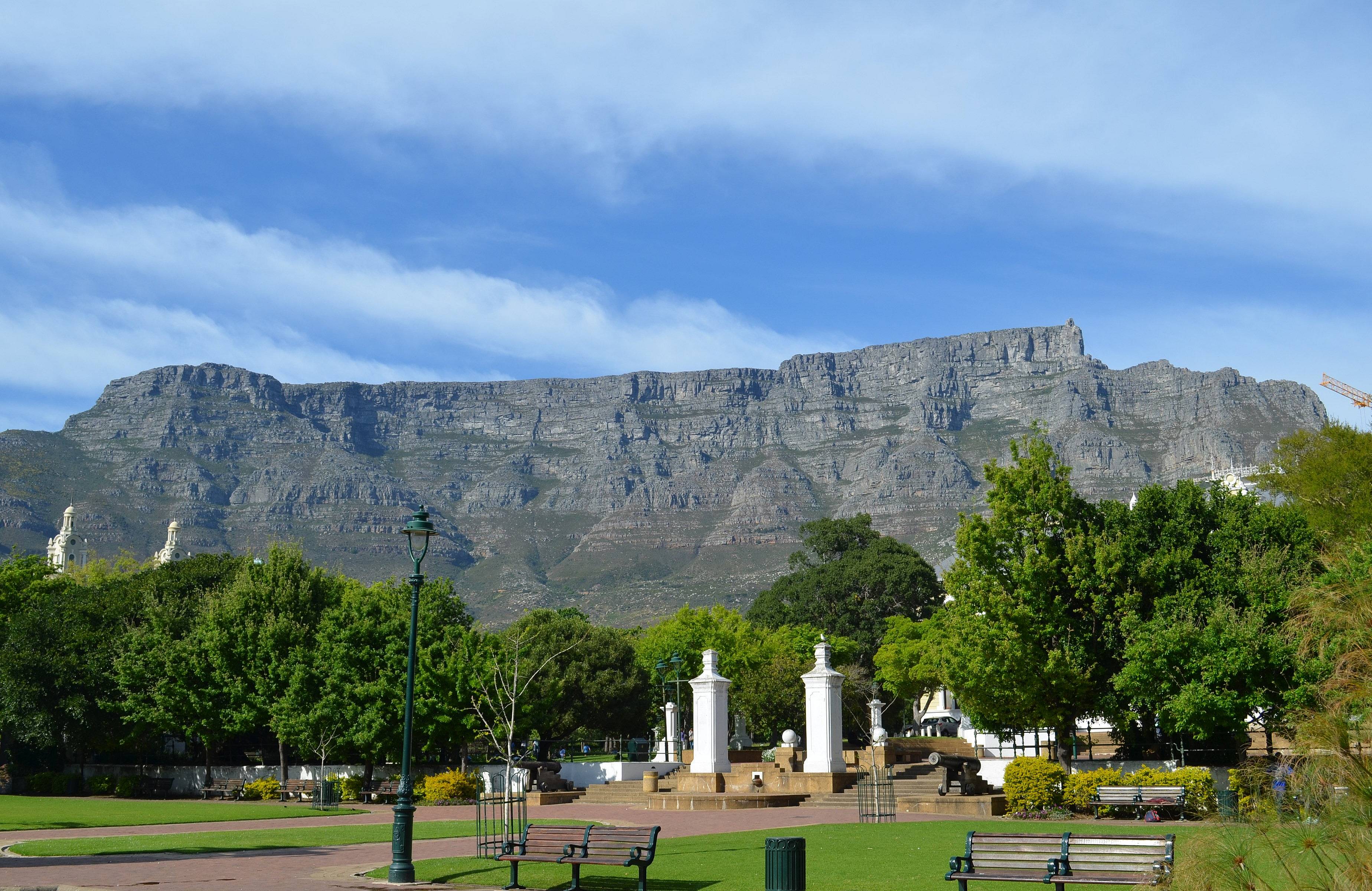
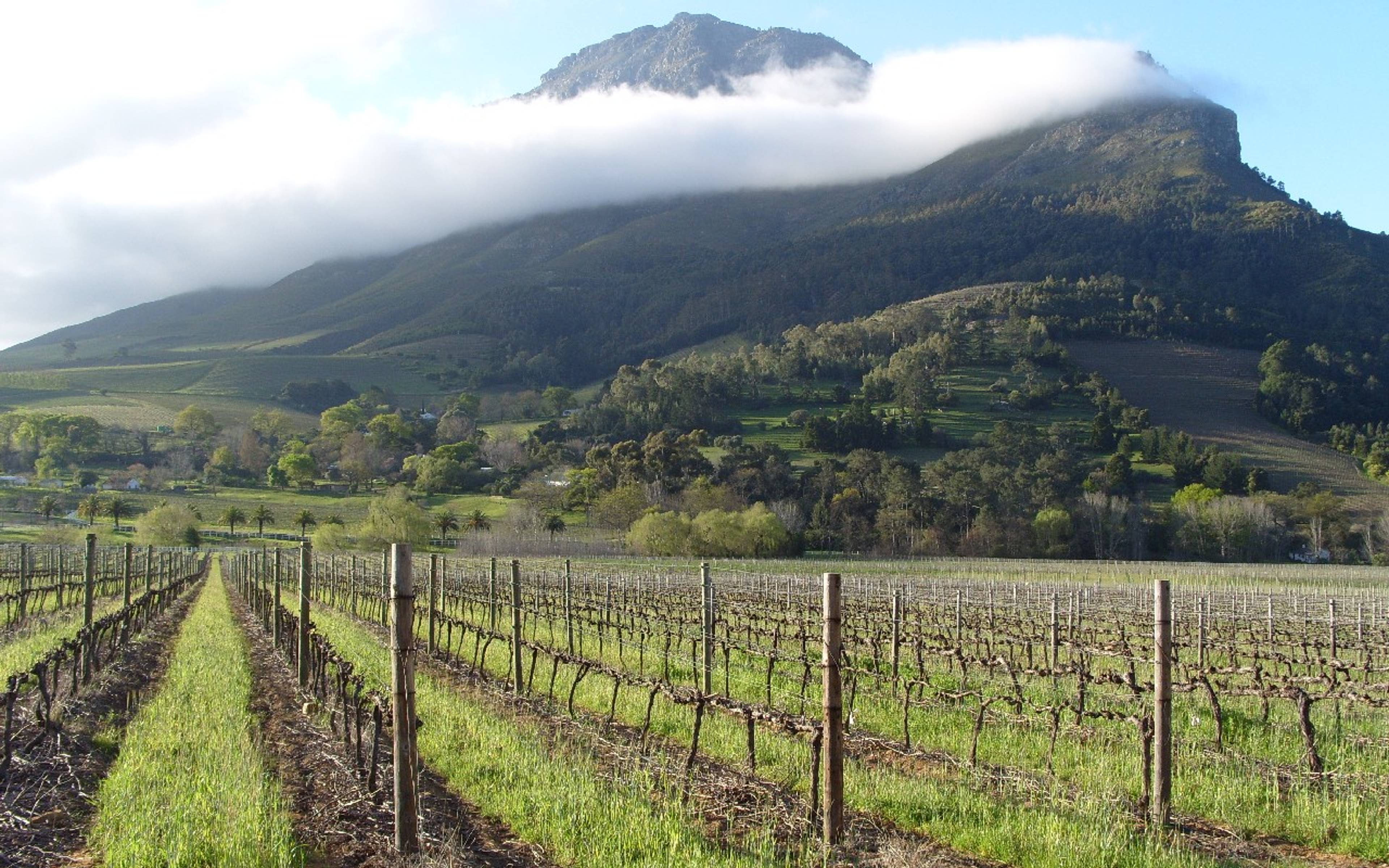
Still following the coast, you'll cross the Garden Route, a route of forests and lagoons, notably around Knysna. At the end of the route, there is wine country in the inland region ofCape Town. The second city of the country, this piece of Europe at the end of Africa spreads across the majestic Table Mountain; the end of the mountain range of theCape of Good Hope. Cosmopolitan, mixed and cool, this California-like city seduces South Africans just as much as tourists. Finally, going back up towards Namibia and Botswana, you can visit the green Kalahari a rarely visited but beautiful region of the desert watered by the Orange River.

