
© Evaneos
Places to discover
Best places to visit in Croatia
Going to Croatia has become a very fashionable thing to do. It is easy to see why. With its hundreds of islands and a sunny coastline, this small country in the Balkans is an ideal holiday destination. To find out more, the great Evaneos travellers provide good advice. Follow their detailed guidelines, region by region, on the sites of the country.
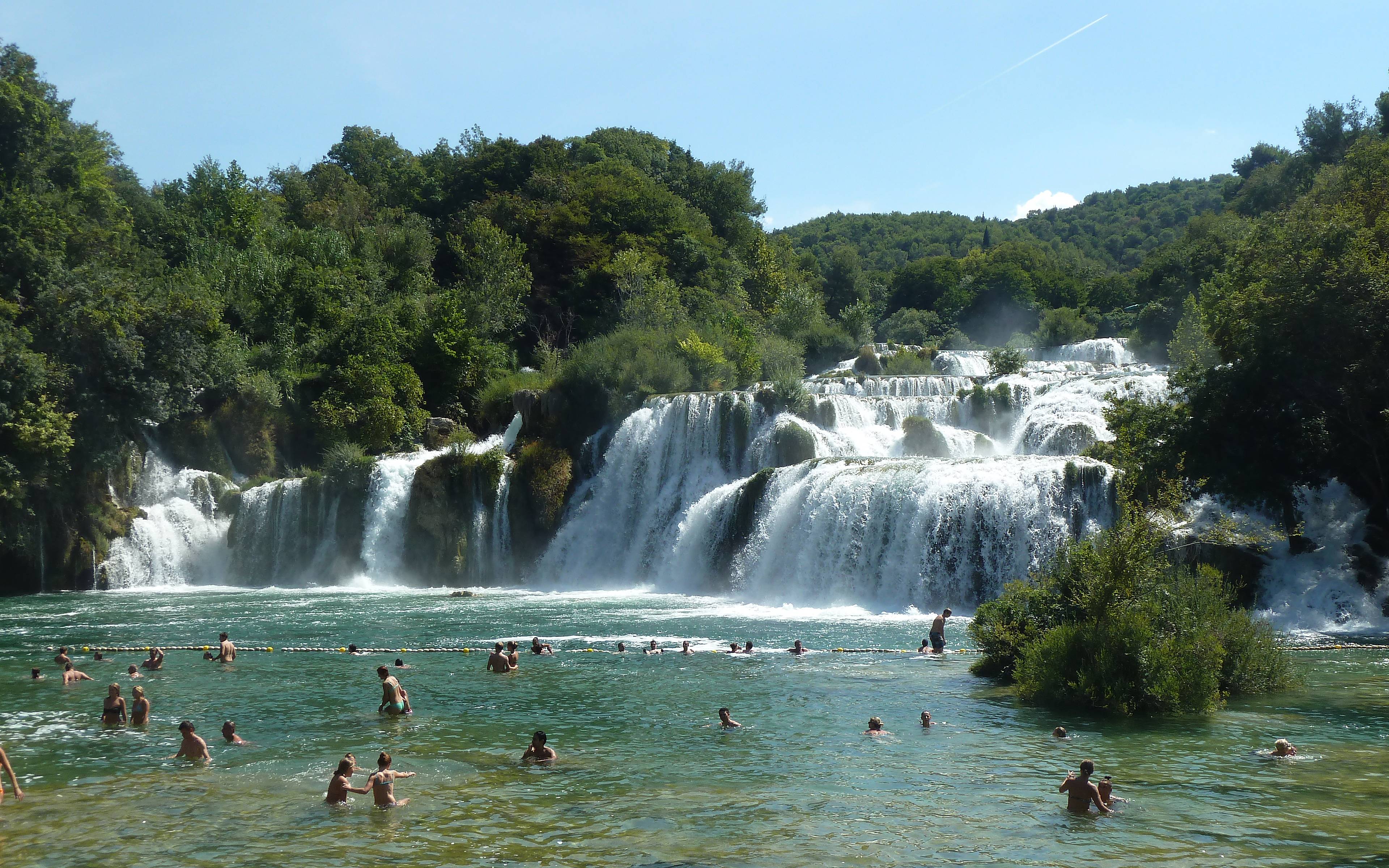
Famous for its wild nightlife, Croatia also has pretty historical towns, a genuine hinterland and unique nature reserves such as Plitvice Lakes or Krka .
To get the most out of Croatia, you need to get past the big tourist developments and discover the unknown or remote little gems such as the Blue Cave of Vis on Bi islandševo.
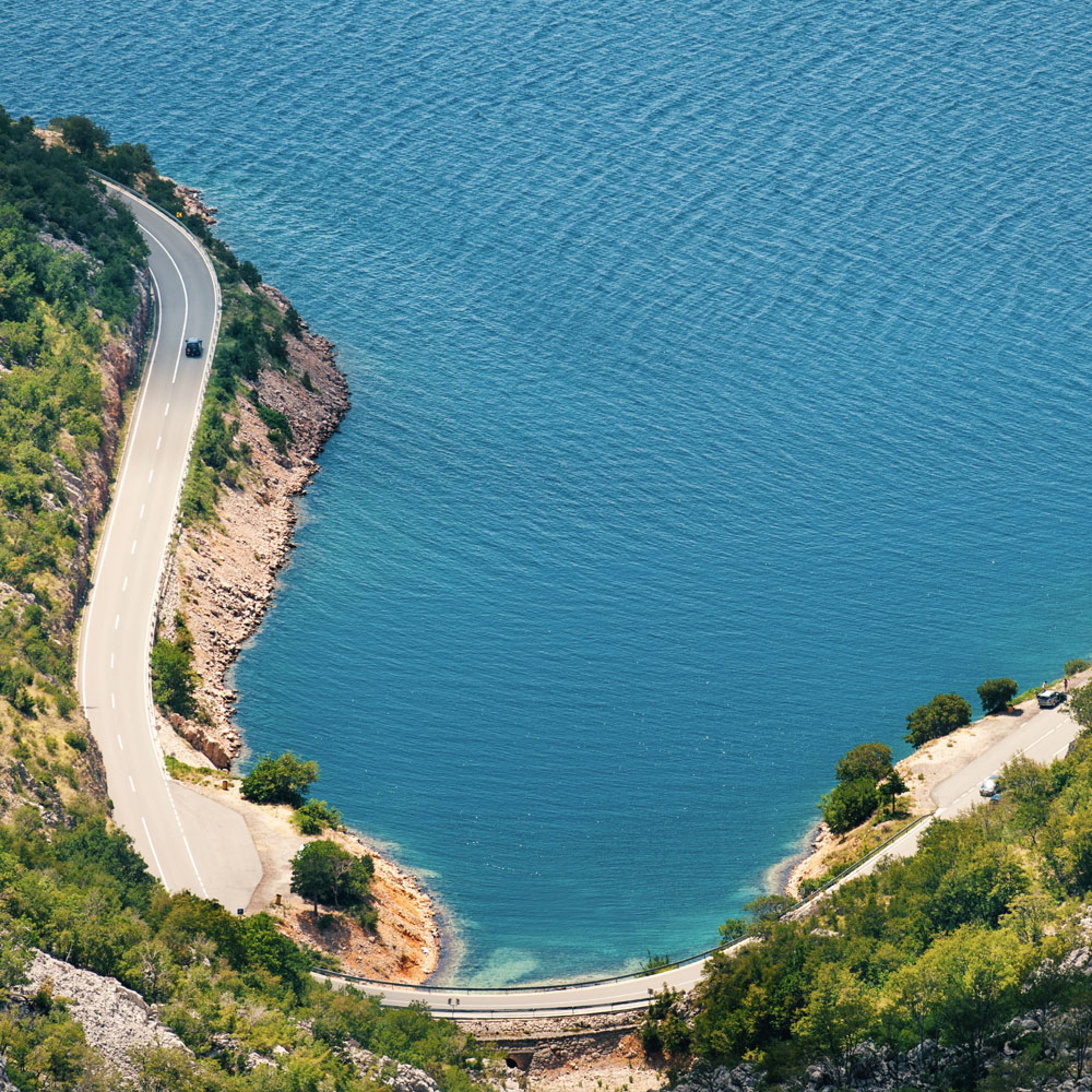
If you arrive from Italy by car, you will probably arrive in Istria and the region of Pula, a very popular destination in summer. Along the coast, the towns of Zadar and Split bear witness to centuries of history. As for the islands, you will be spoilt for choice. For nightlife that lasts until morning, join the jet set at Hvar.
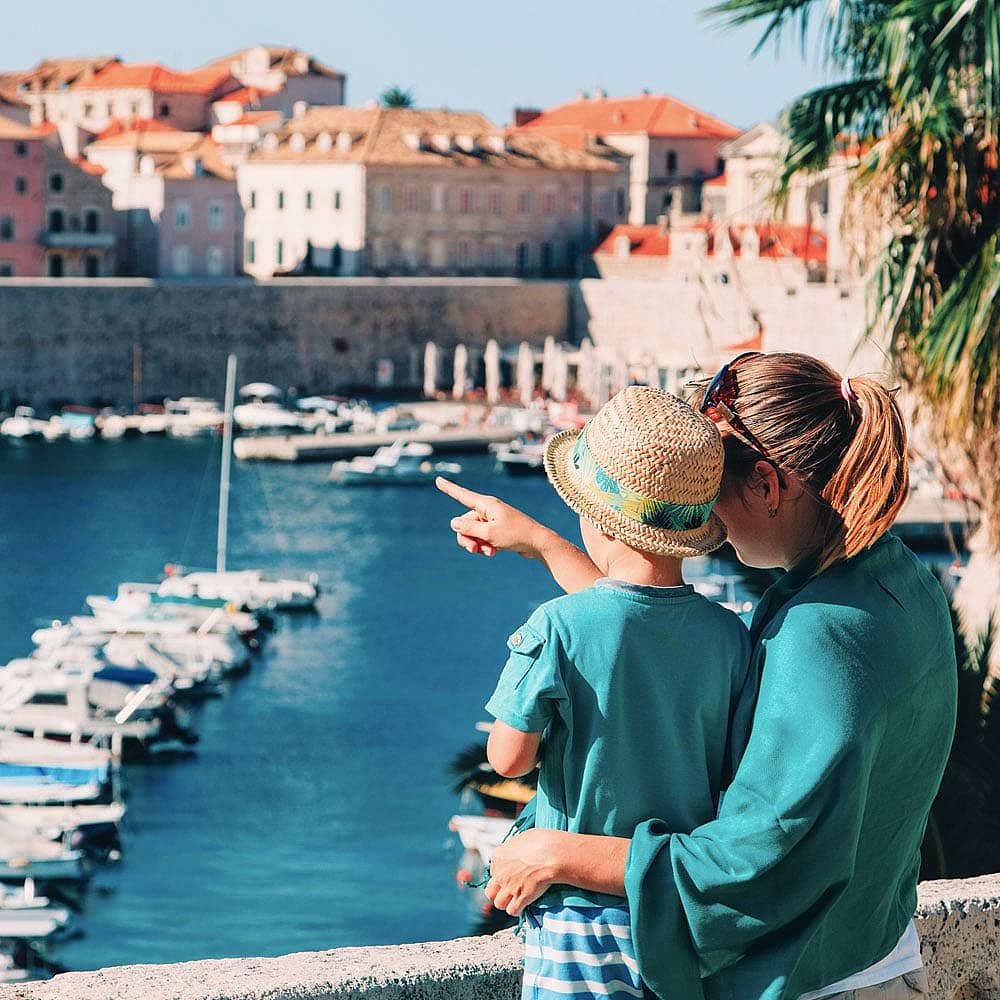
The region of Dalmatia, located on the border between Montenegro and Bosnia, is spread around Dubrovnik. Opening onto the Balkans this beautiful fortified town bathes in sunlight from the Adriatic.
The regions around Zagreb, the capital and Slavonia in the east are the least populated but are the most typically representative of Croatian daily life, particularly rural daily life.
Whatever you want to see on your travels, you can consult the Evaneos site to discover the pearls of Croatia and create your ideal itinerary by bus or car.
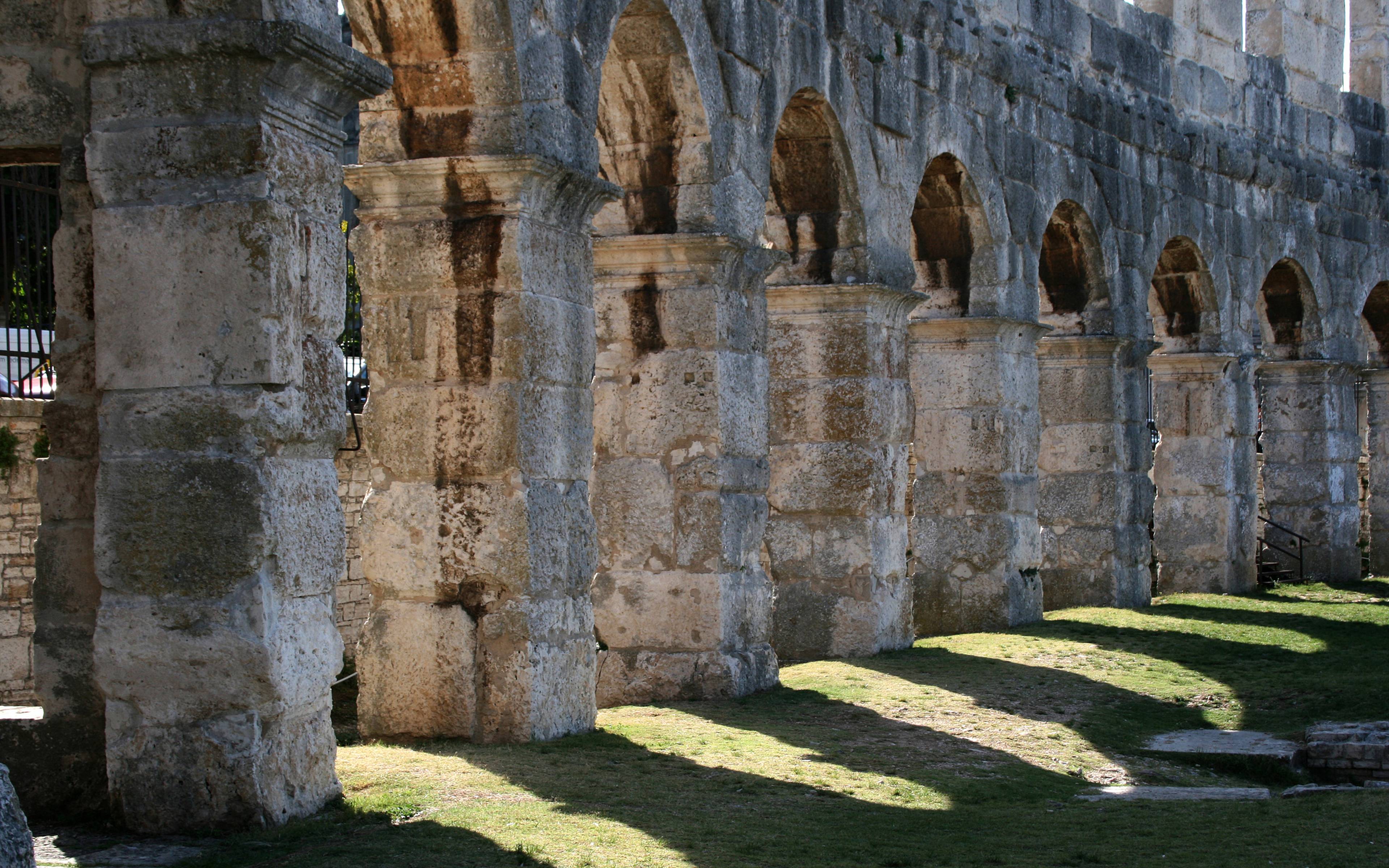
Pula has some wonderful architectural heritage to offer, with its exceptionally well-preserved amphitheatre a notable example of this. Visiting the city and immersing yourself in this historical past is a very enjoyable experience.
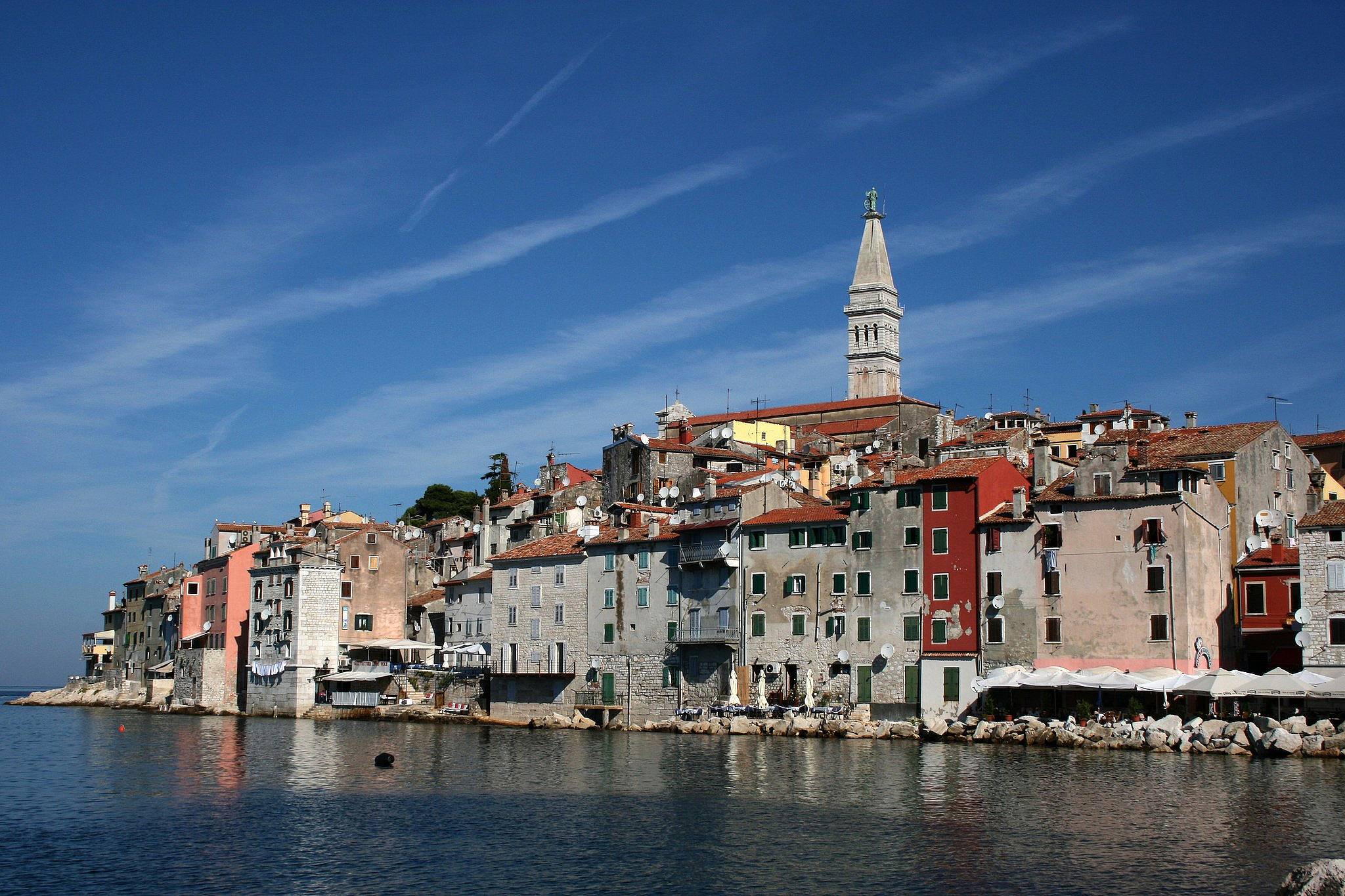
A magnificent coastal city, Rovinj and its historic centre, which has the highest clock tower in Istria as its dominating feature, receives thousands of visitors each year.
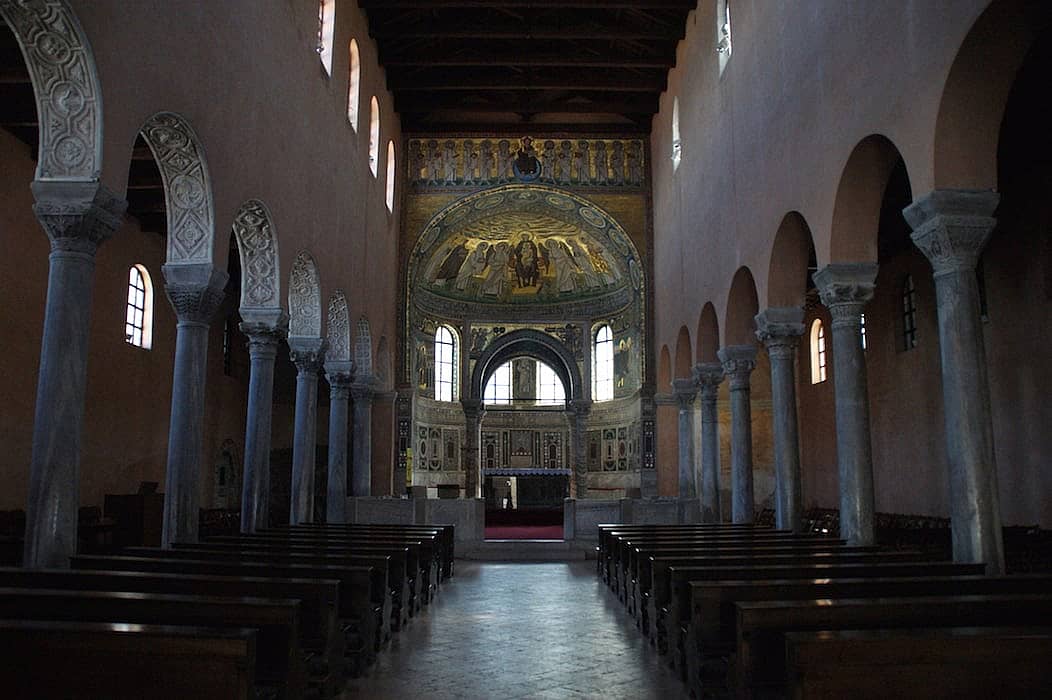
Poreč is a wonderful and historic little coastal town in the Croatian region of Istria, on the border with Slovenian.
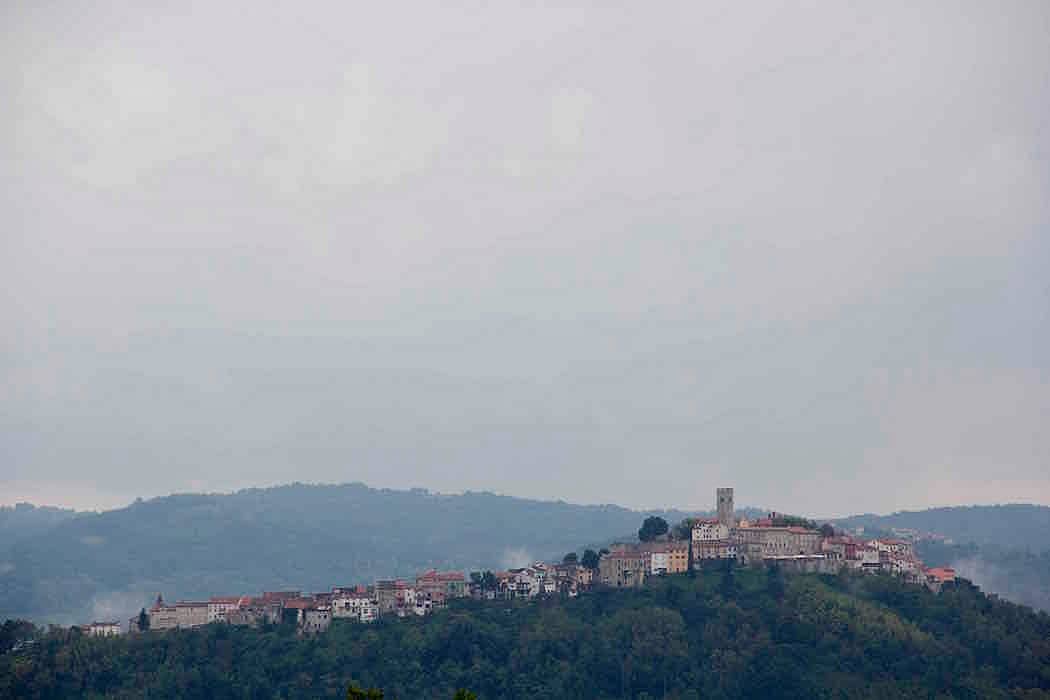
Perched atop a small hill in the heart of Istria, Motovun is an adorable little village known for its truffles and its way of life.
This tiny village, located north of Zagreb, is mainly famous for being the birthplace of Tito, who was once president of what was the former Yugoslavia.
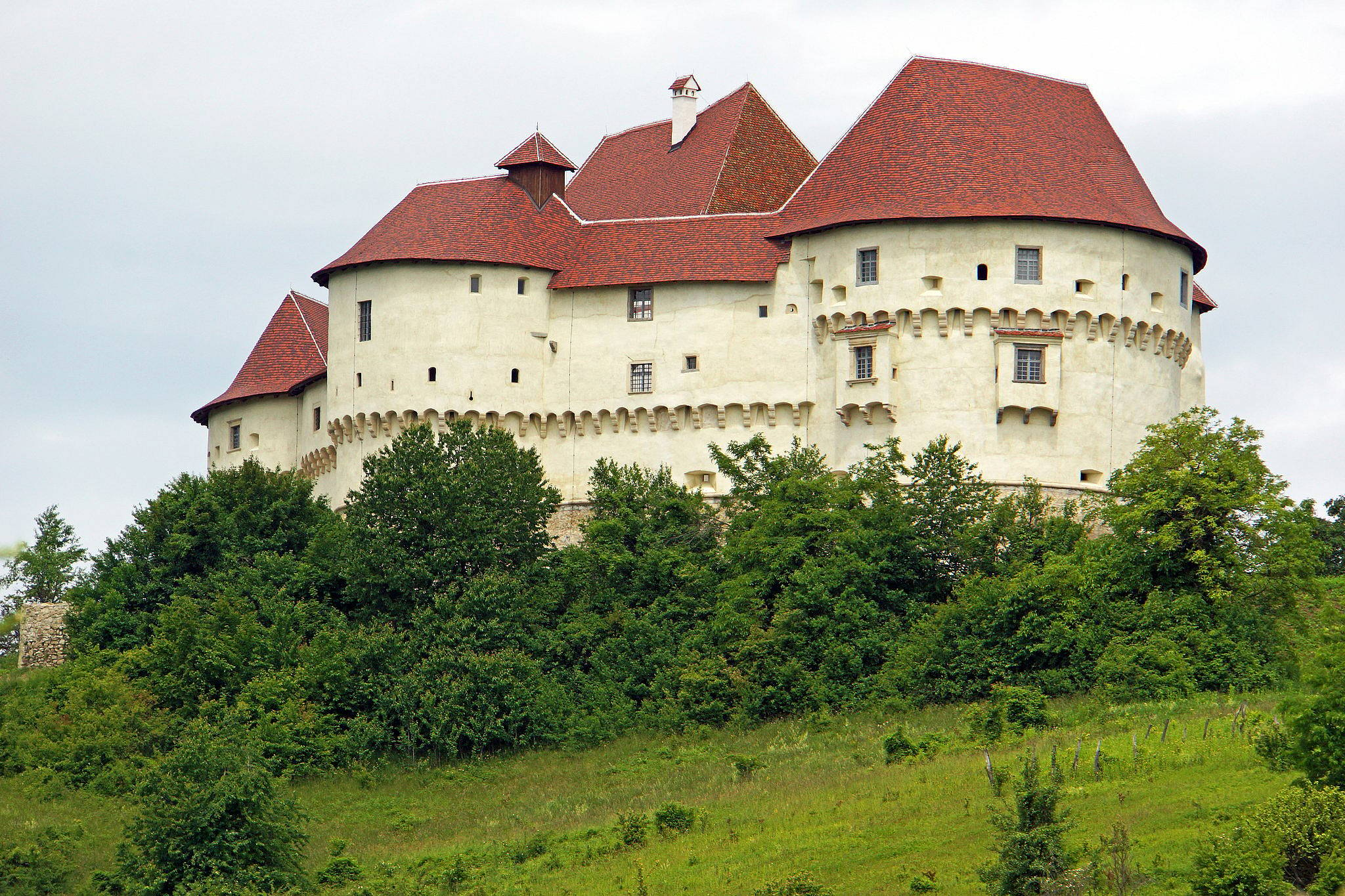
Located in the northern confines of Croatia, Veliki Tabor Castle is a fine example of a well-restored medieval structure.
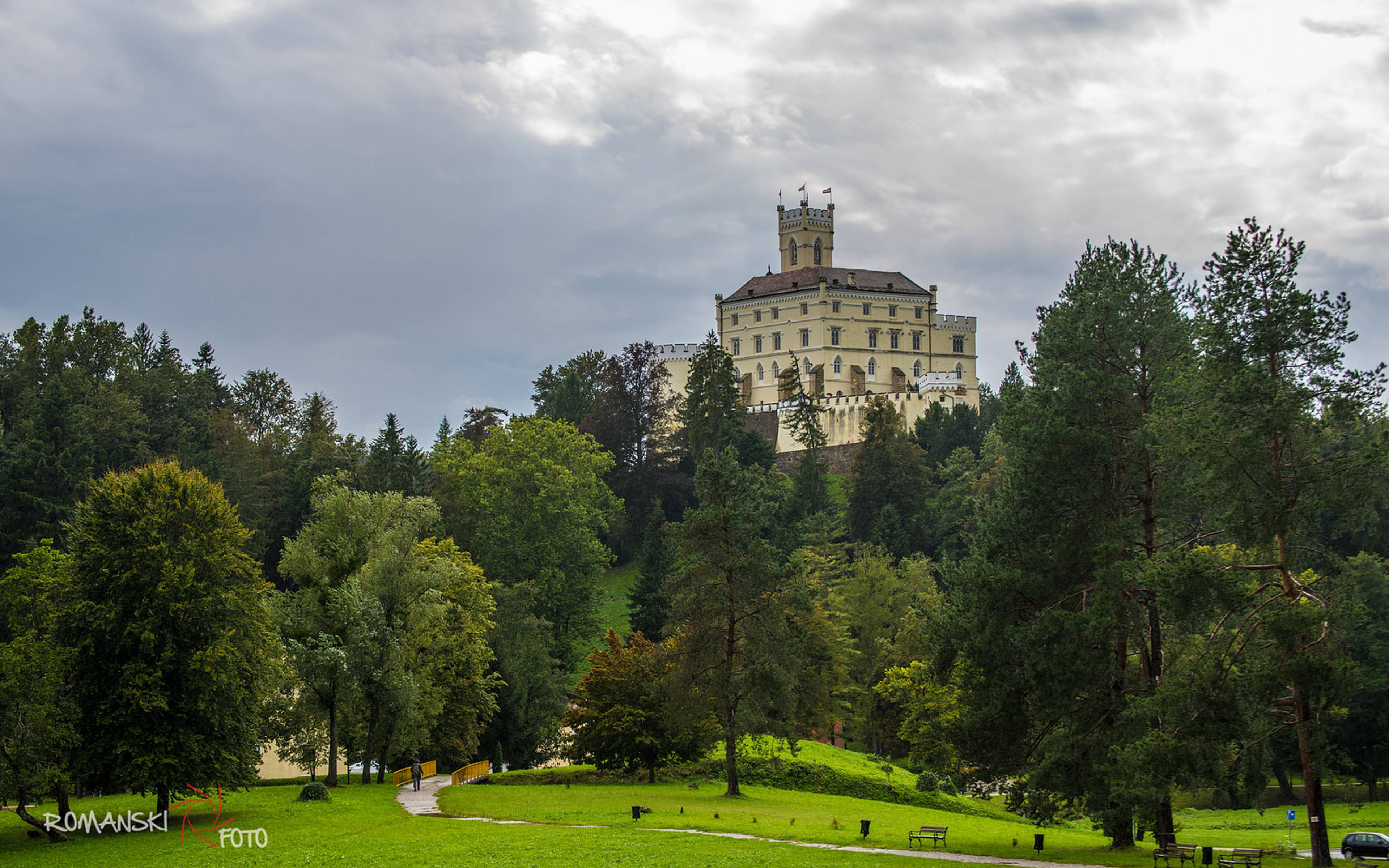
Trakošćan, or more accurately its castle, is one of Croatia's most visited places. It lies just a few miles from Zagreb.
Though Slavonski Brod, a city in the Slavonia region of Croatia, is worth a quick visit perhaps, it is definitely not somewhere you should go out of your way to see.
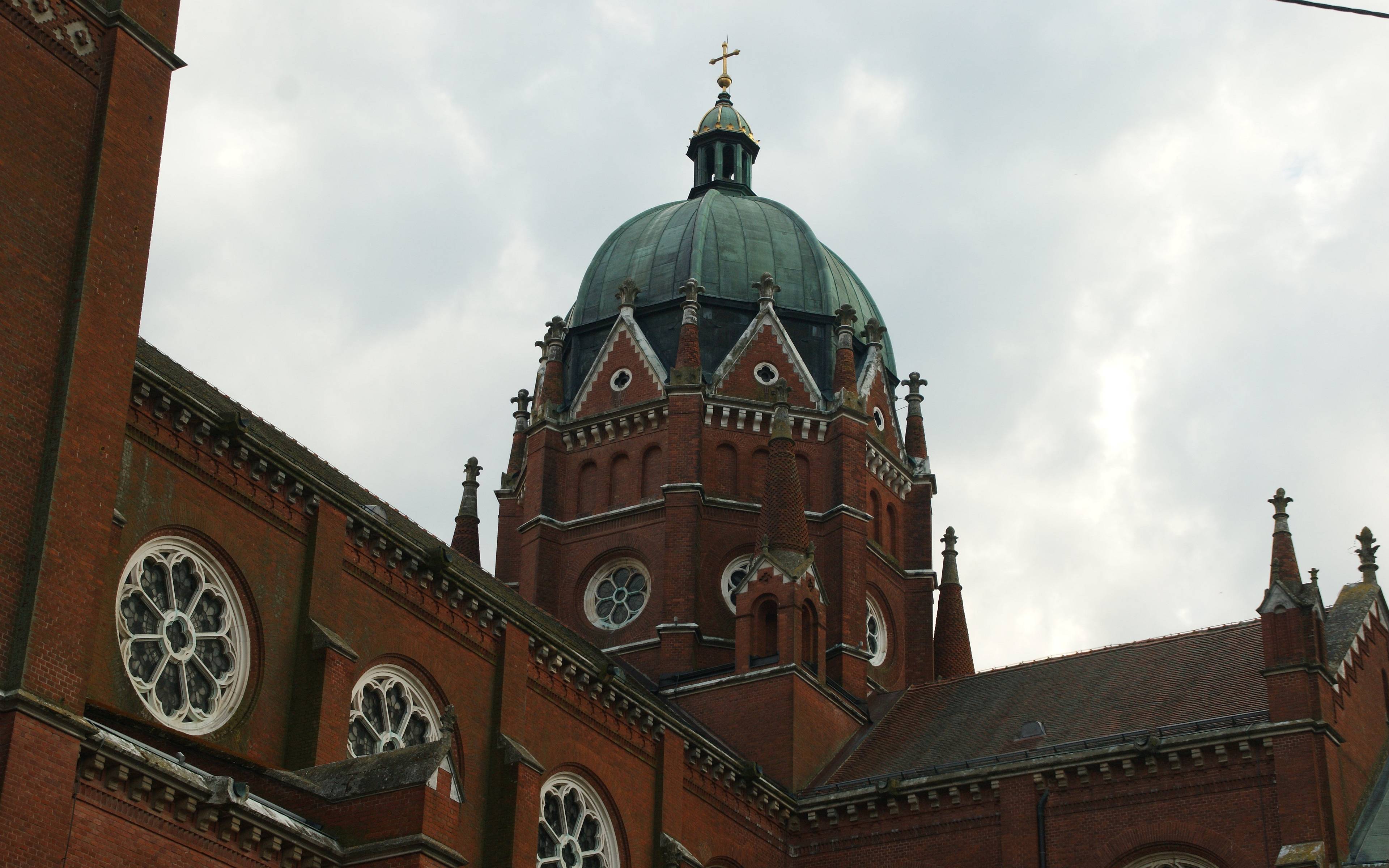
Đakovo is a quaint and charming little town located not far from Osijek and Vukovar and well worth a visit when travelling in this region.
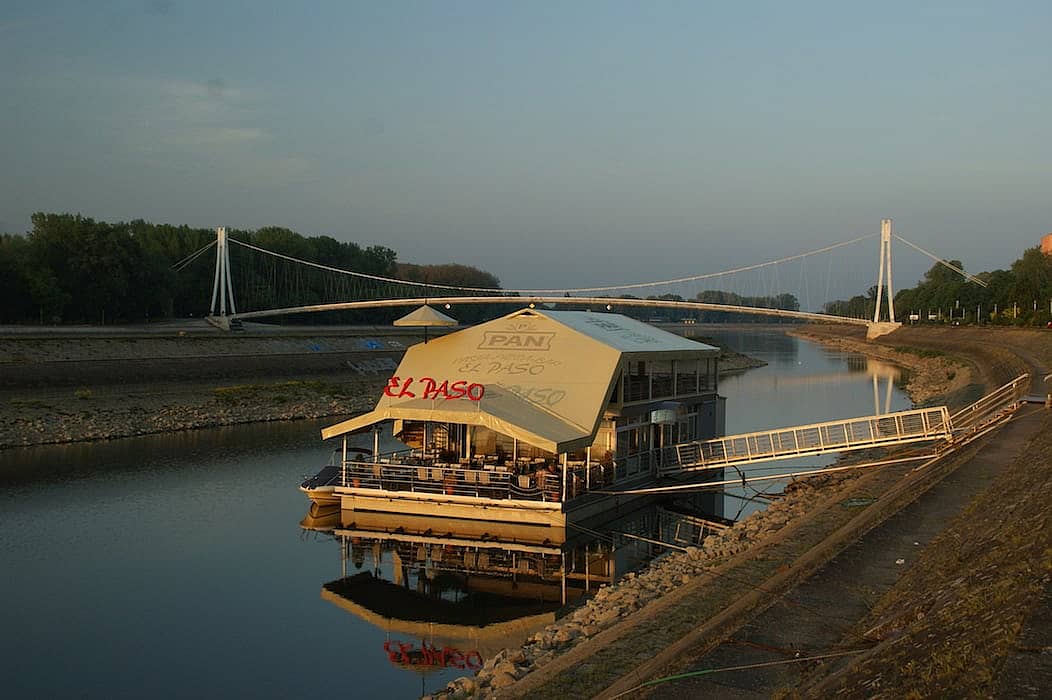
Osijek is the largest city in the northern Croatian region of Slavonia, an area very different in character to the country's coastal regions.
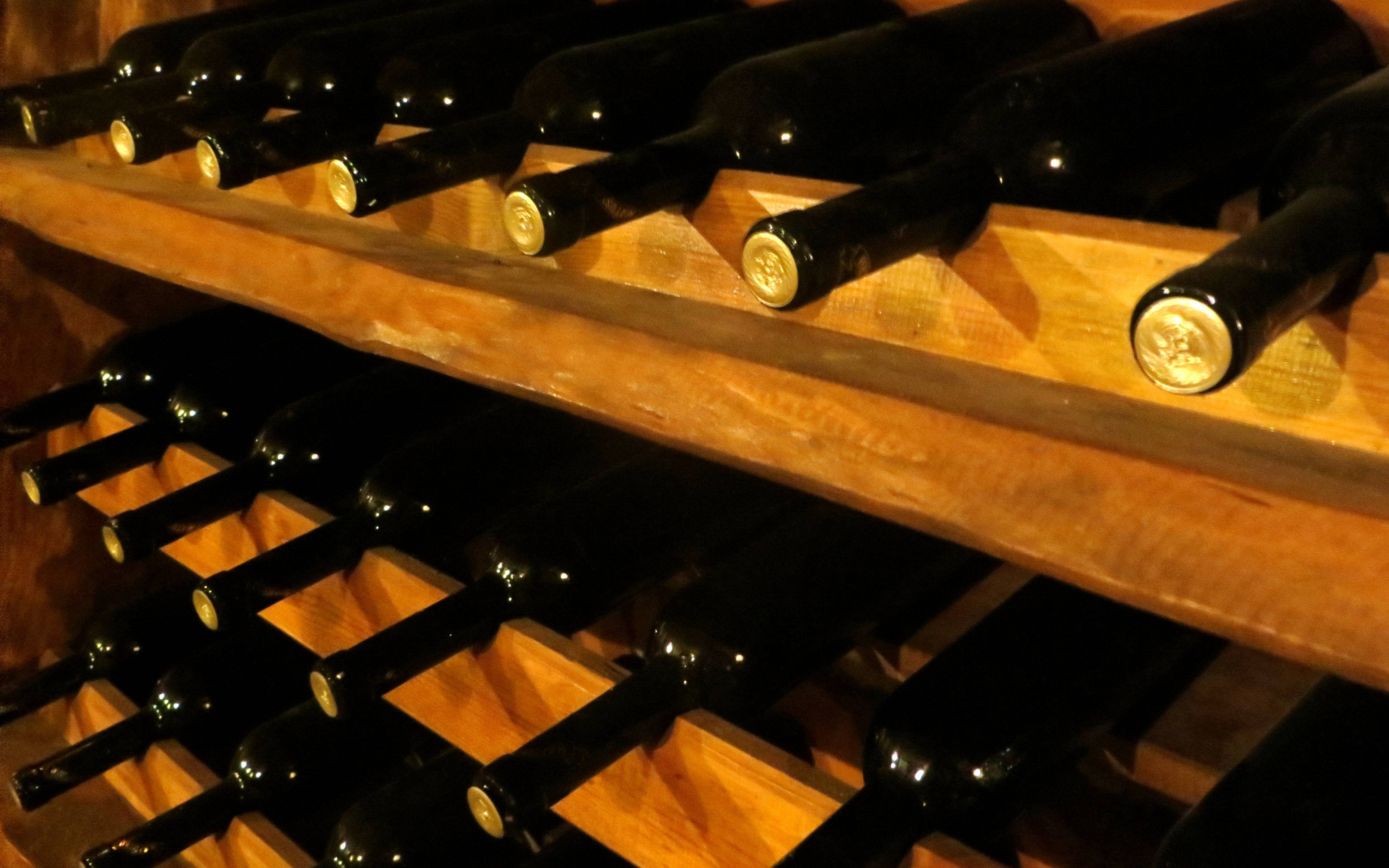
Lying on the border with Serbia at the far eastern extreme of Croatia, the town of Ilok is famous for its excellent wines and its historic centre.
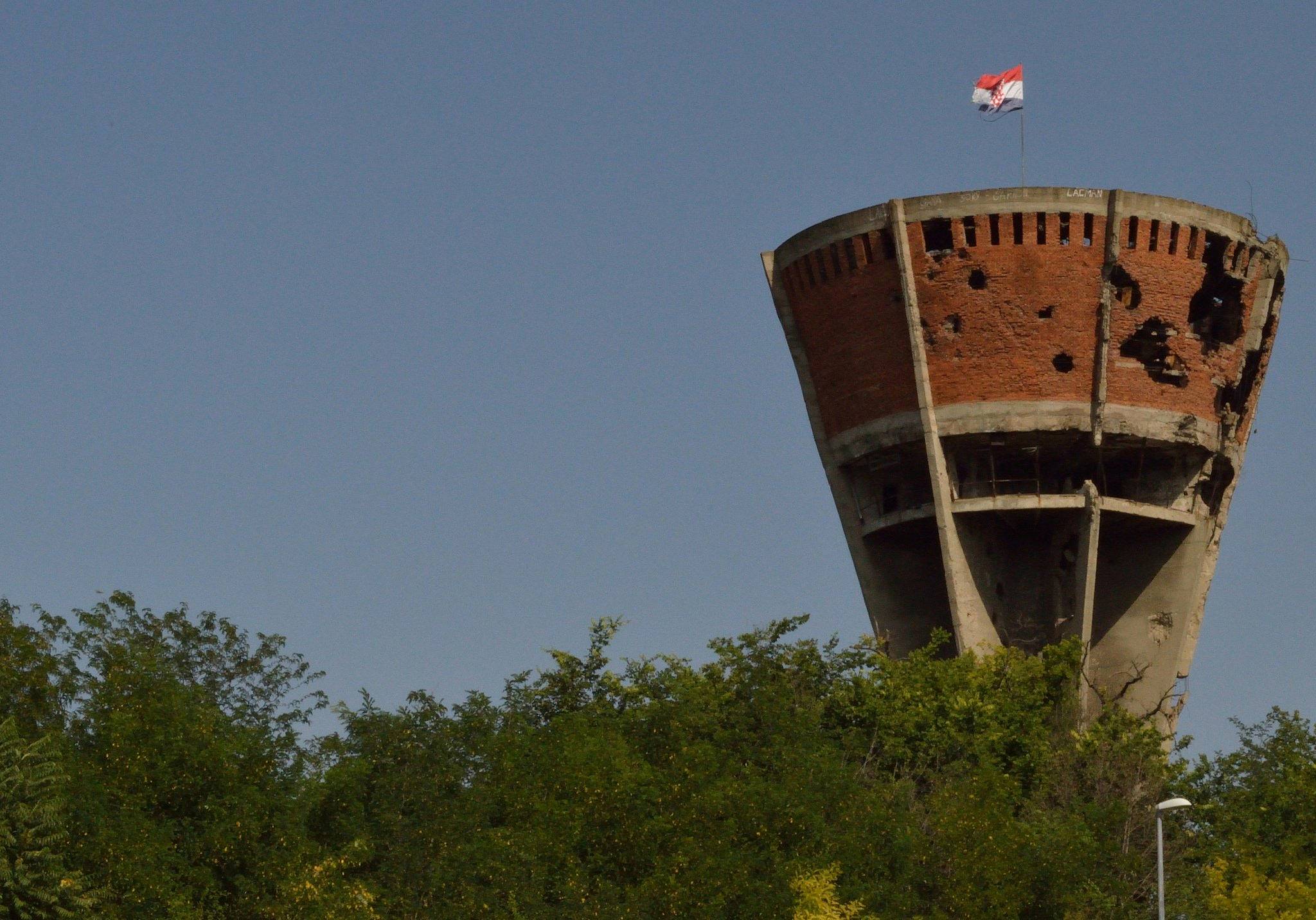
Vukovar, or the "Hero City", was the city that suffered most during the war with Serbia. Completely destroyed at the time, it continues to recover a little more with each passing year, though the marks left by the shells can still be seen on its walls.
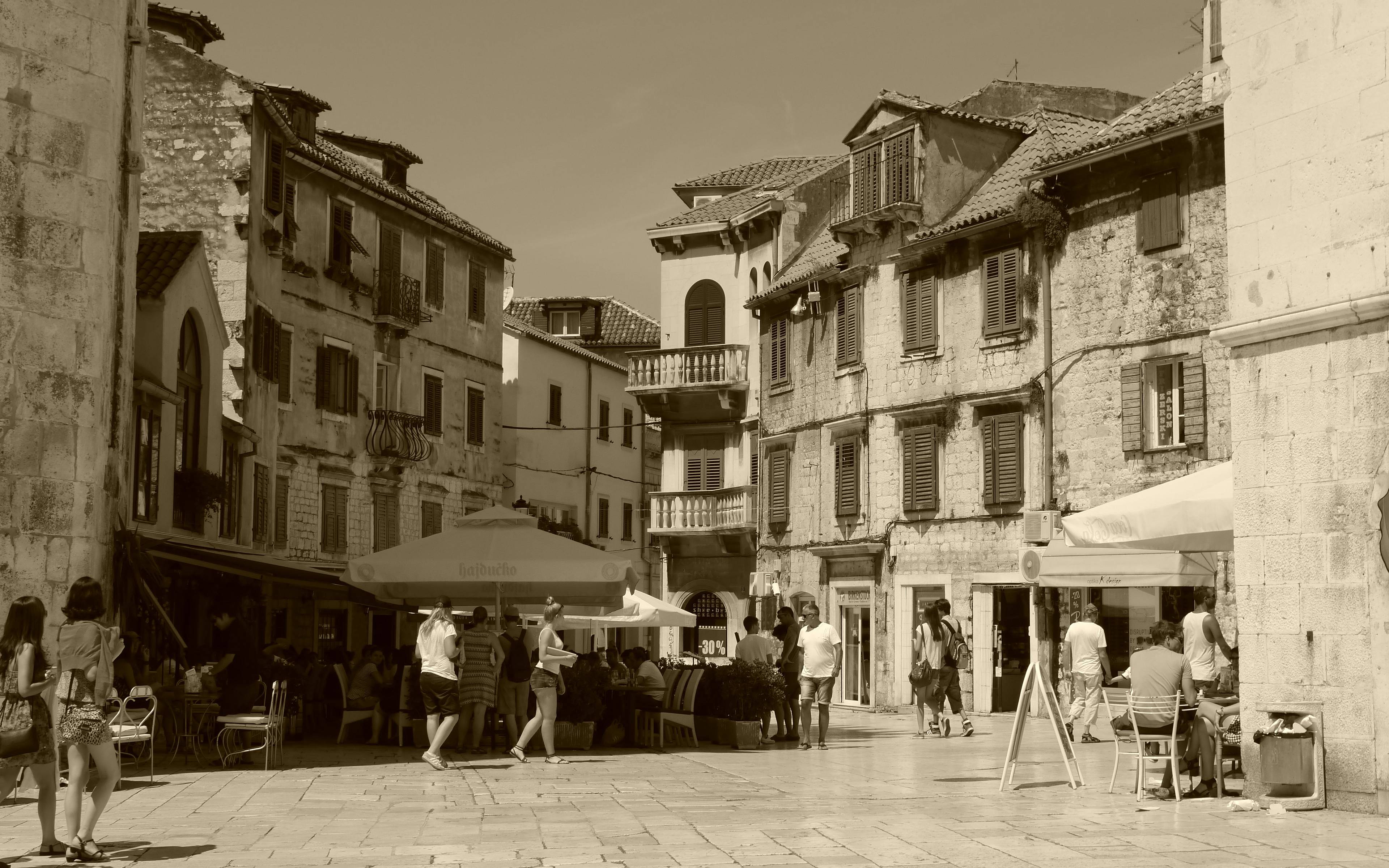
An important town whose historic past has been overtaken by urban planning and the modern town.
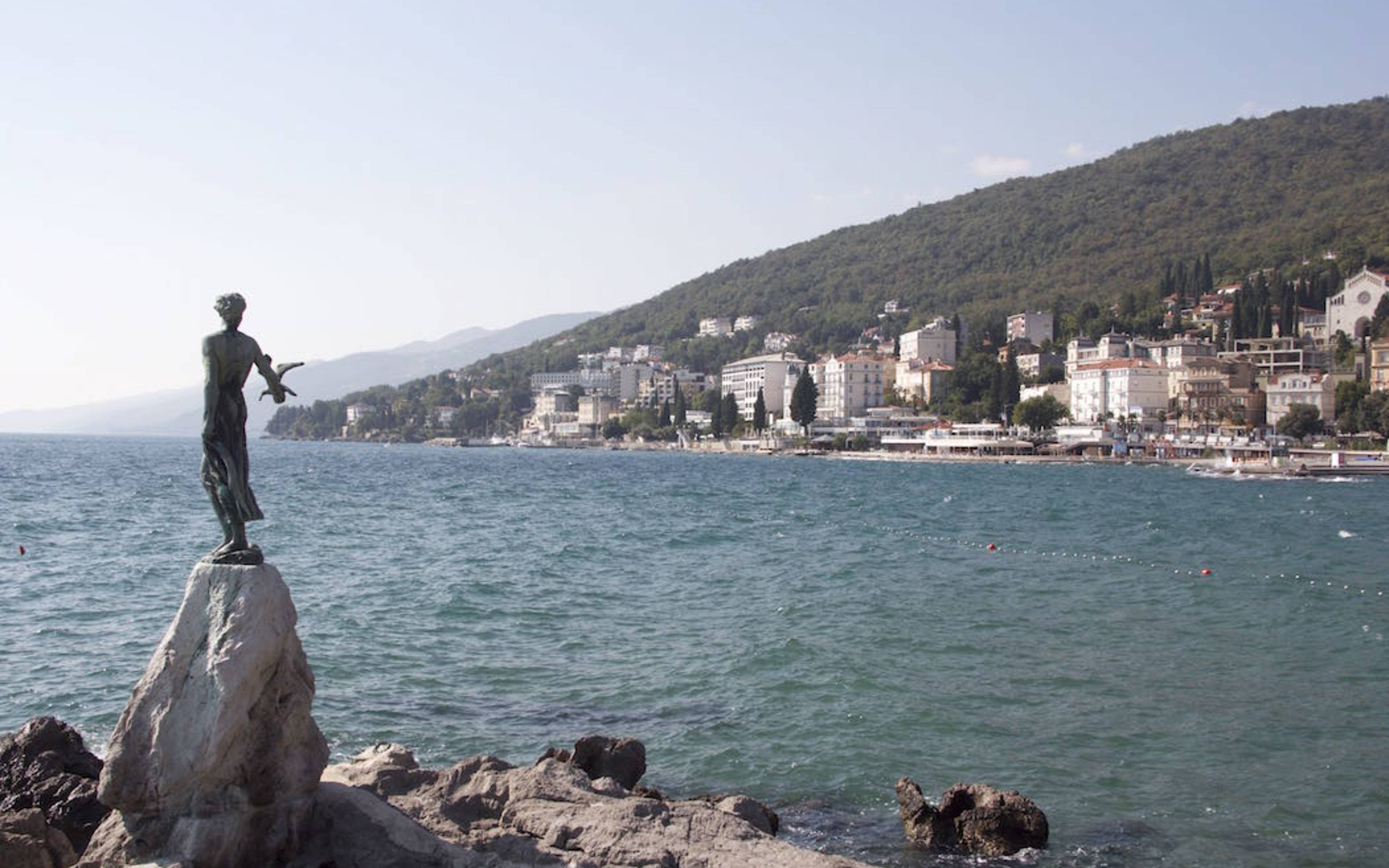
A very pleasant seaside town which resembles the French Riviera and whose Art Nouveau style houses are a change from the baroque or medieval centres of the other towns and cities in Croatia.
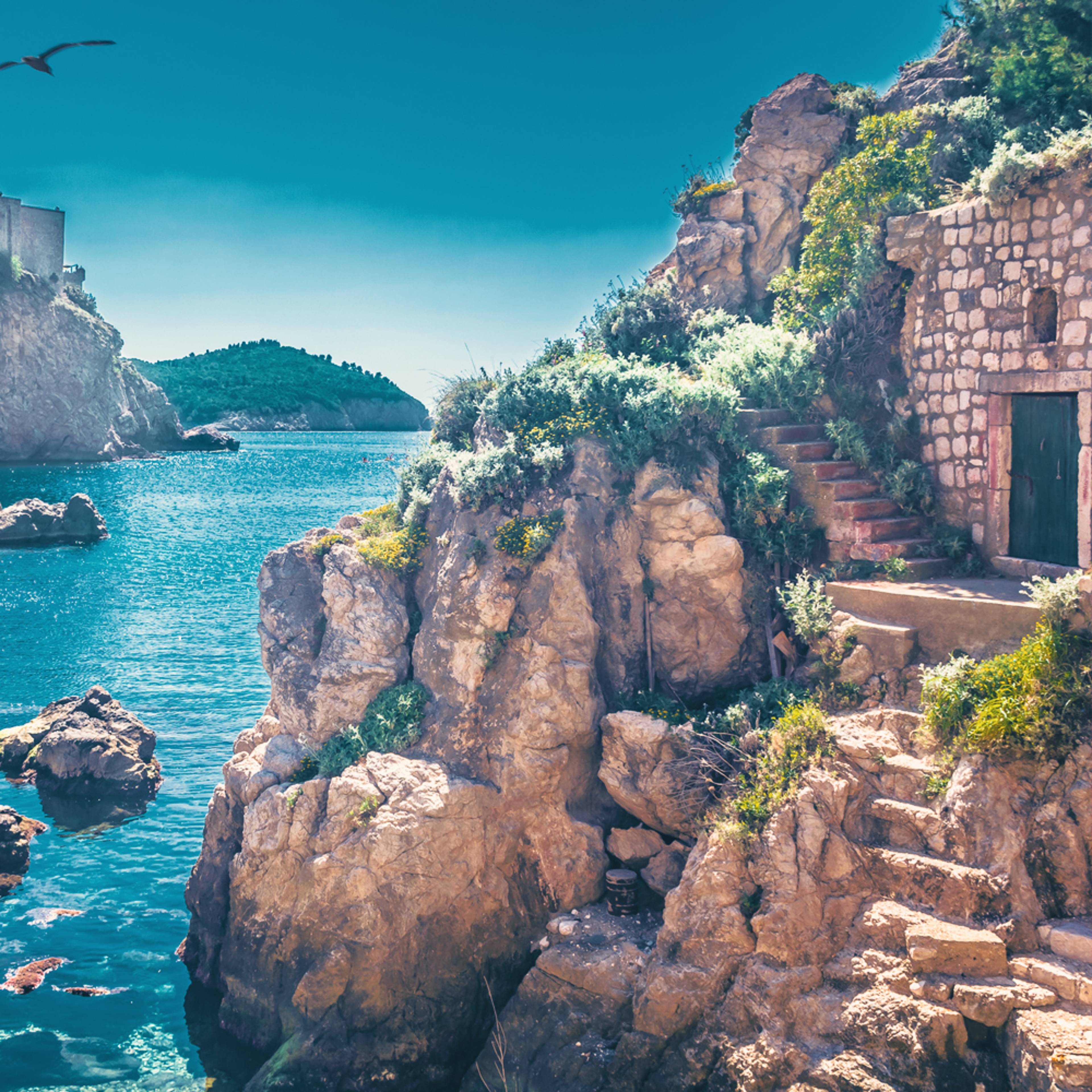
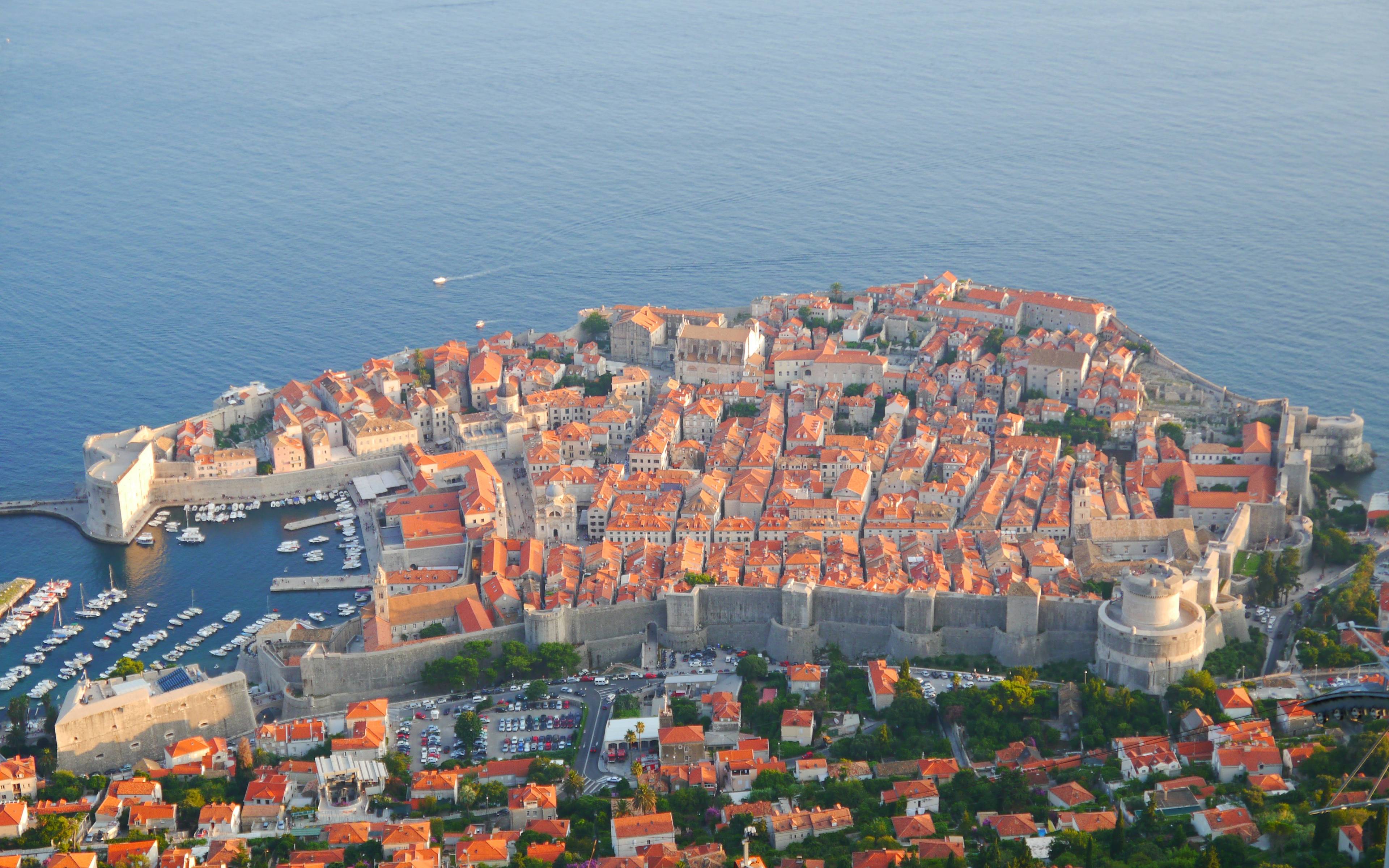
Dubrovnik is undoubtedly one of Croatia's most beautiful cities, with reminders of its rich history visible at every turn. But these qualities also attract hordes of tourists who come to capture the charm and atmosphere of its various sites and attractions.
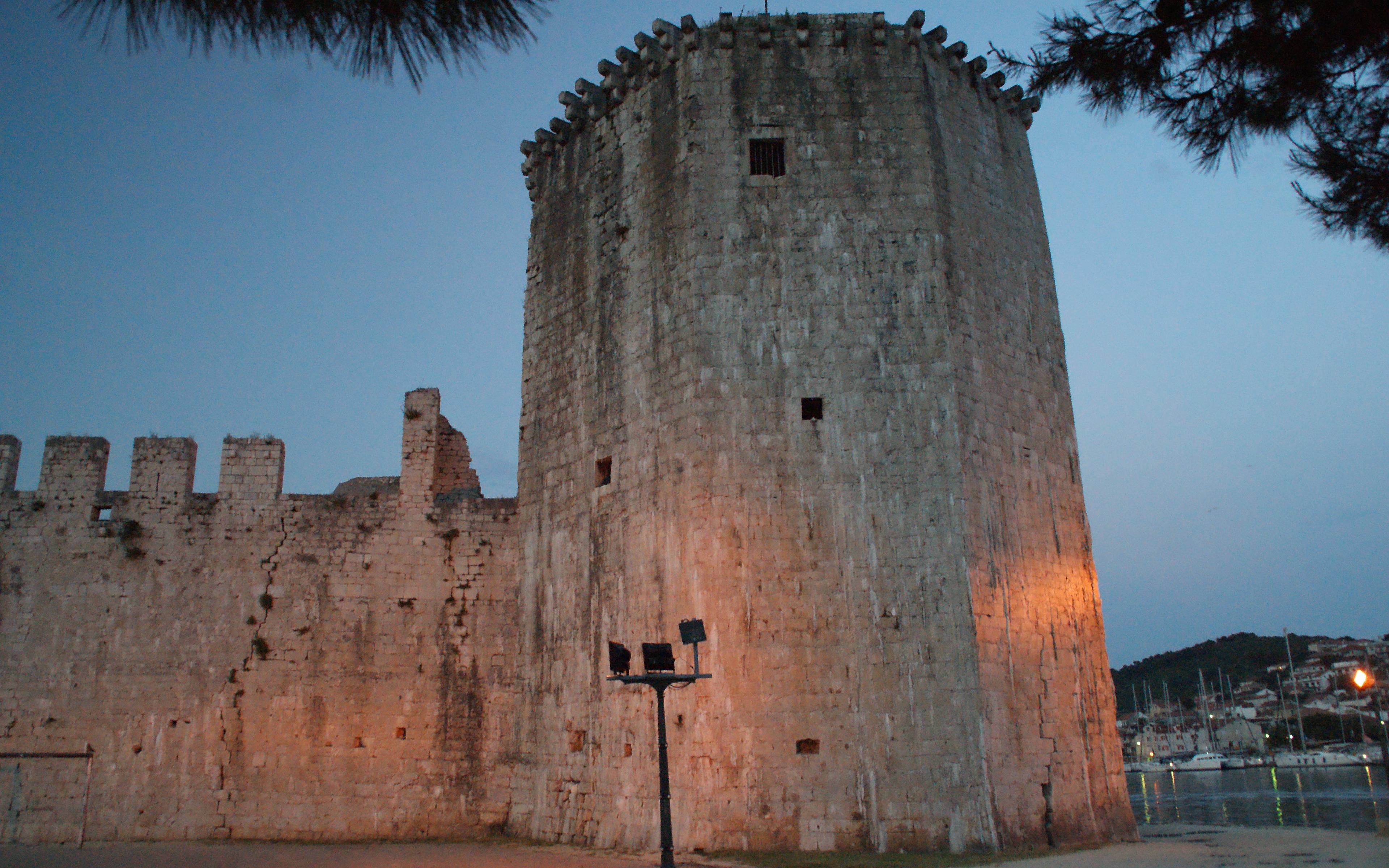
Lying around 19 miles from Split, Trogir is without a doubt Croatia's most charming port, and has miraculously managed to escape the effects of mass tourism.
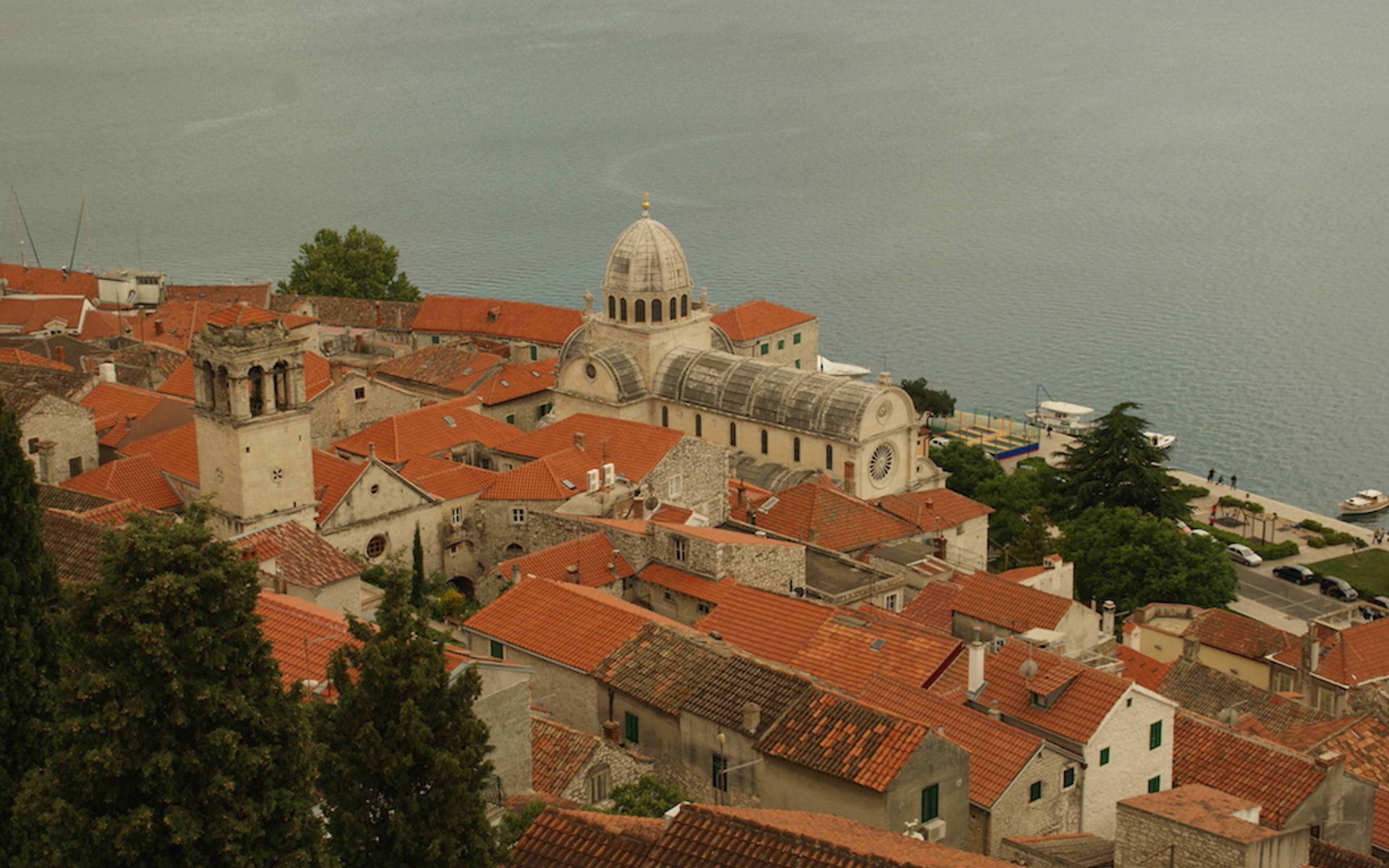
A coastal city lying between Split and Zadar, Sibenik, with its quaintly pretty historic centre, is a pleasant and enjoyable place to visit.
A natural national park where you can go swimming!
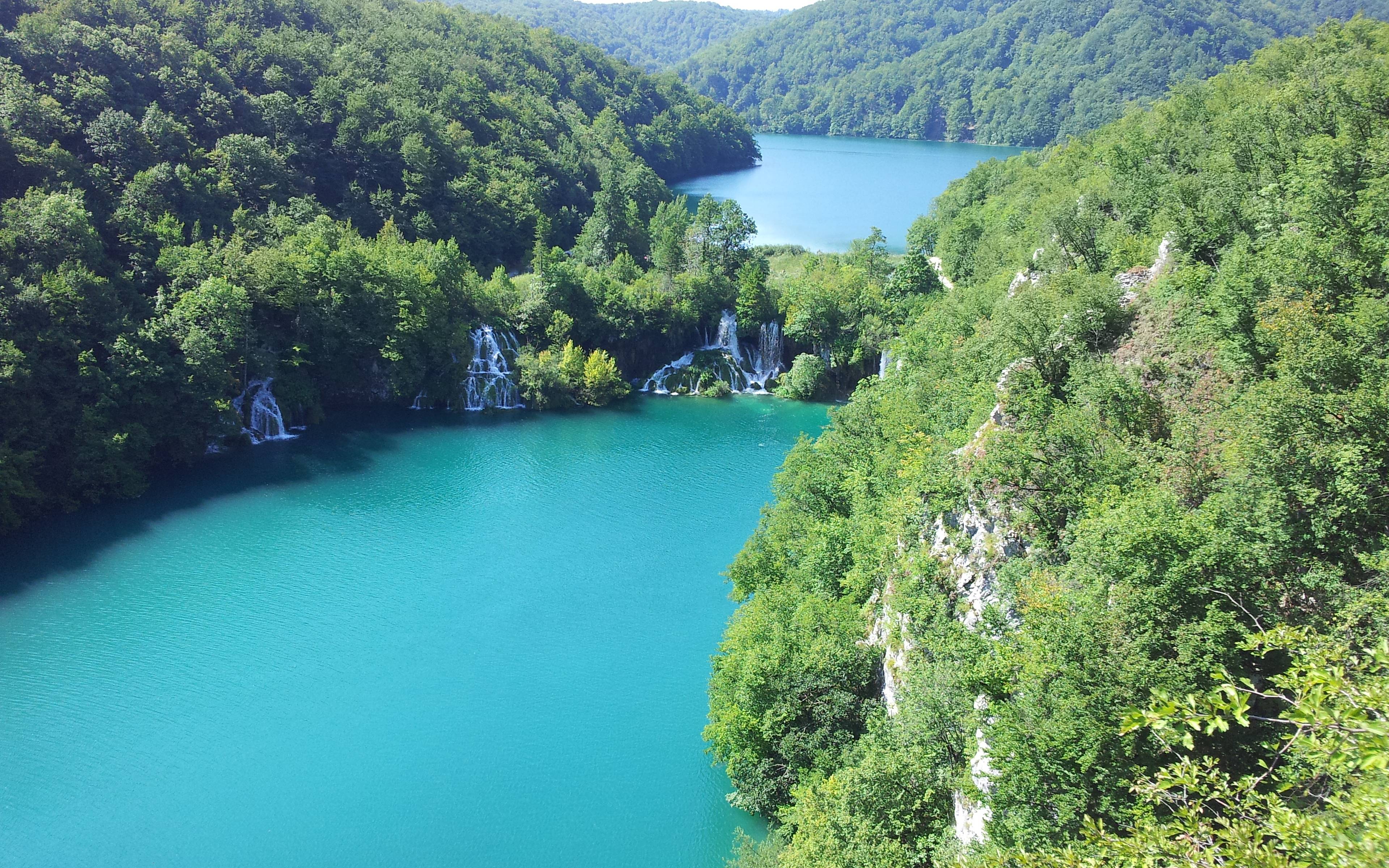
This magnificent natural park, a lush forest featuring turquoise waterfalls and lakes, Plitvice is also one of Croatia's most-visited locations.
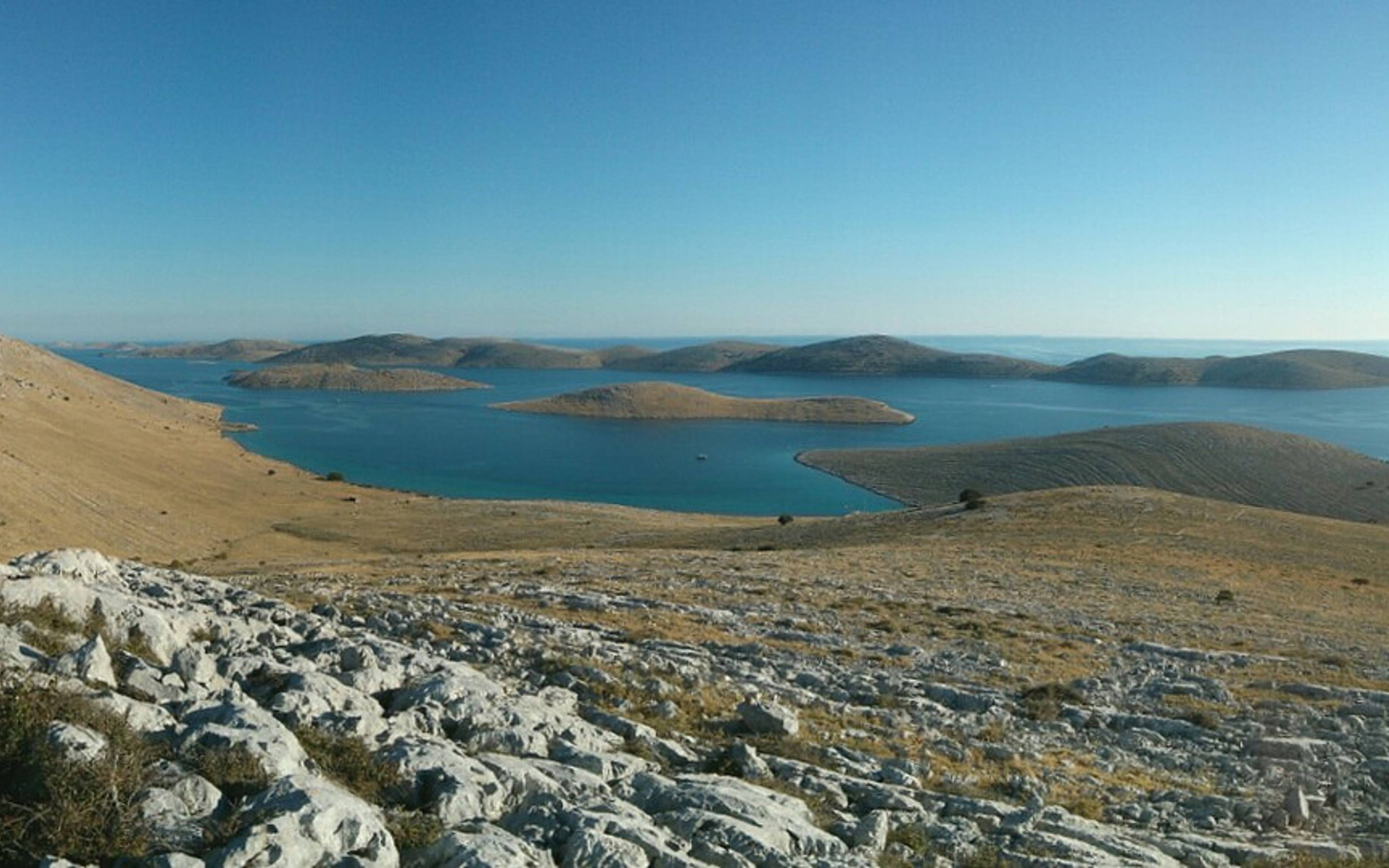
Just off Sibenik lies Kornati, an archipelago of over 140 islands, the largest archipelago in the Mediterranean.

