
The 15 most beautiful national parks in Costa Rica
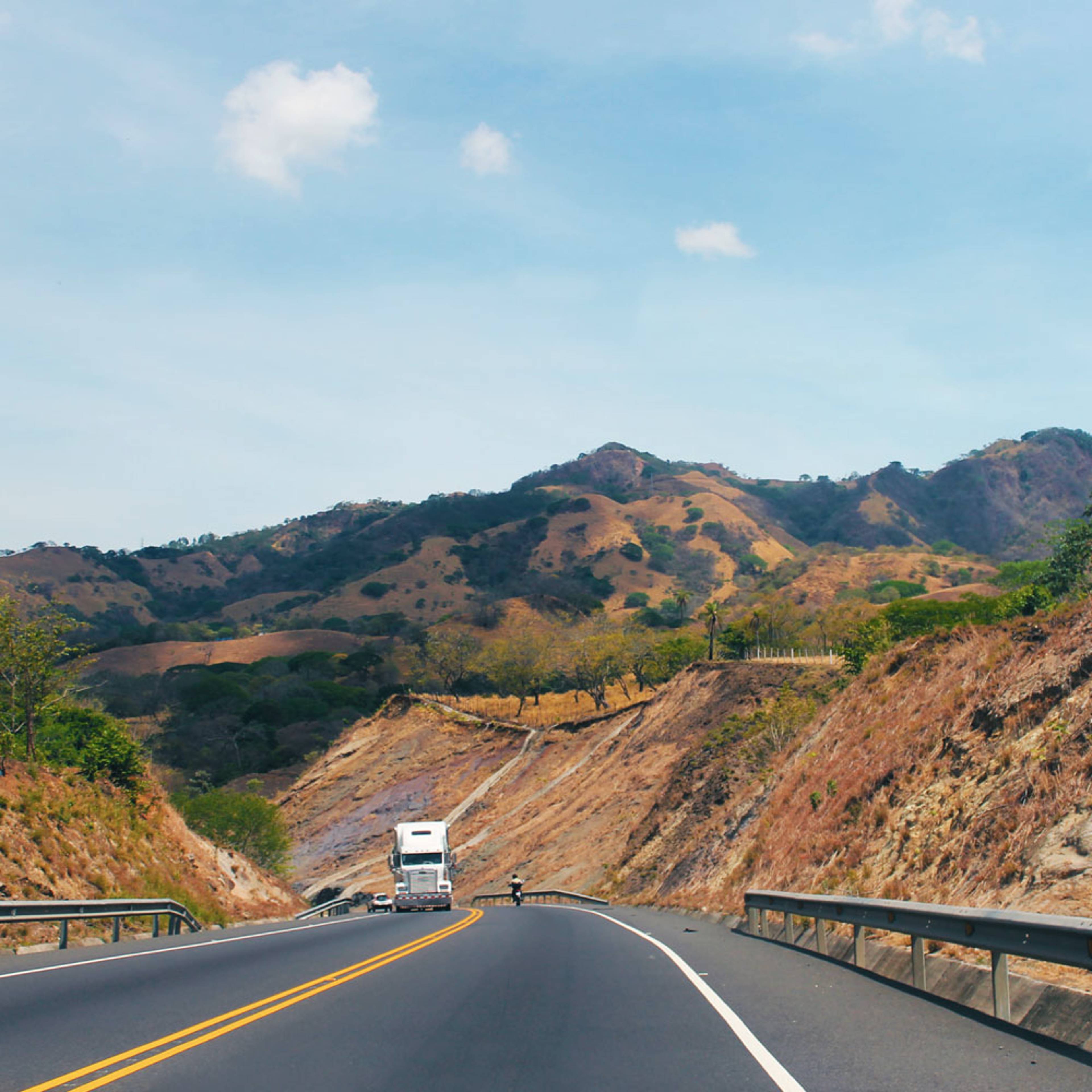
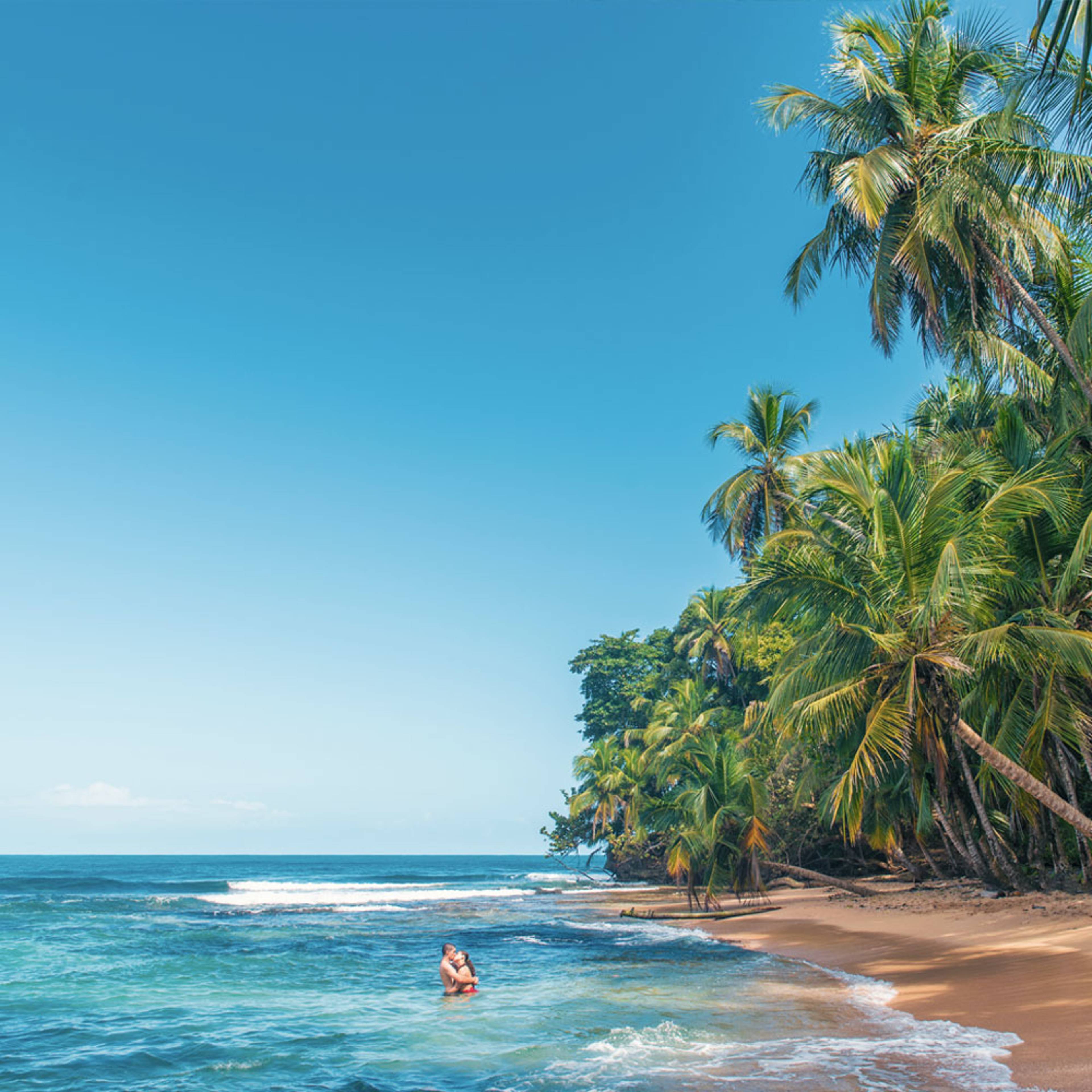
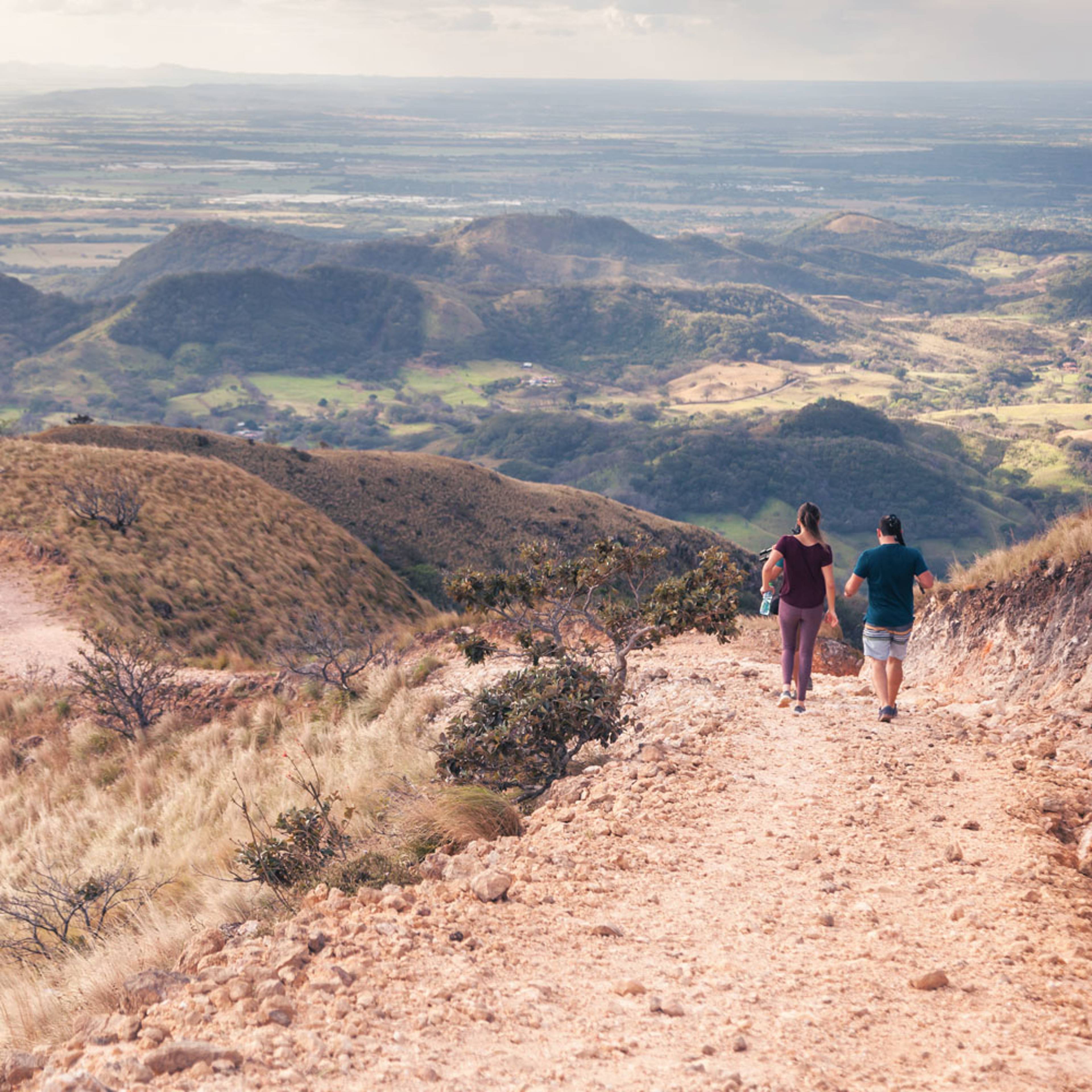
On a trip to Costa Rica, it’s impossible to resist the pull of its national parks. With 29 protected areas covering nearly a quarter of the country, you’ll travel through some of the richest ecosystems on Earth. Here, the jungle meets the ocean, volcanoes still smolder, and mangroves pulse with birdsong and mystery. Walk through the mist in Monteverde, watch turtles in Tortuguero, listen for scarlet macaws in Corcovado, and unwind in Arenal’s hot springs.
Here’s our selection of the 15 national parks you absolutely shouldn’t miss in Costa Rica, moving to the rhythm of the waves and the wind in the leaves.

At a glance: which national parks should you visit on a Costa Rica trip?
- Tenorio Volcano National Park
- Tortuguero National Park
- Arenal Volcano National Park
- Manuel Antonio National Park
- Corcovado National Park
- Cahuita National Park
- Marino Ballena National Park
- Rincón de la Vieja National Park
- Monteverde National Park
- Carara National Park
- Los Quetzales National Park
- Santa Rosa National Park
- Marino Las Baulas National Park
- Palo Verde National Park
- Barbilla National Park
1. Tenorio Volcano National Park: the sky-blue waterfall
Among Costa Rica’s most beautiful national parks, Tenorio Volcano National Park, in the north of the country, is home to one of its most striking natural wonders: Río Celeste. Around a bend in the trail, the river suddenly shifts from deep green to bright turquoise. Science explains it as a chemical reaction, while locals prefer to say God rinsed his paintbrushes here.
Beneath a mossy canopy, you’ll walk between twisting roots and thick mist until you reach a 100-foot waterfall, its low roar almost unreal. It’s the kind of place that makes you feel small, standing before a phenomenon no photo can truly capture.
 ©
©
2. Tortuguero National Park: the flooded jungle
On the Caribbean coast, in northeastern Costa Rica, Tortuguero National Park is one of the most remote in the country. There are no roads here. You arrive by boat, following a maze of canals lined with jungle. Water is everywhere, and vegetation spills over the banks. You glide quietly beneath the branches, watching for a caiman or a sloth hanging overhead.
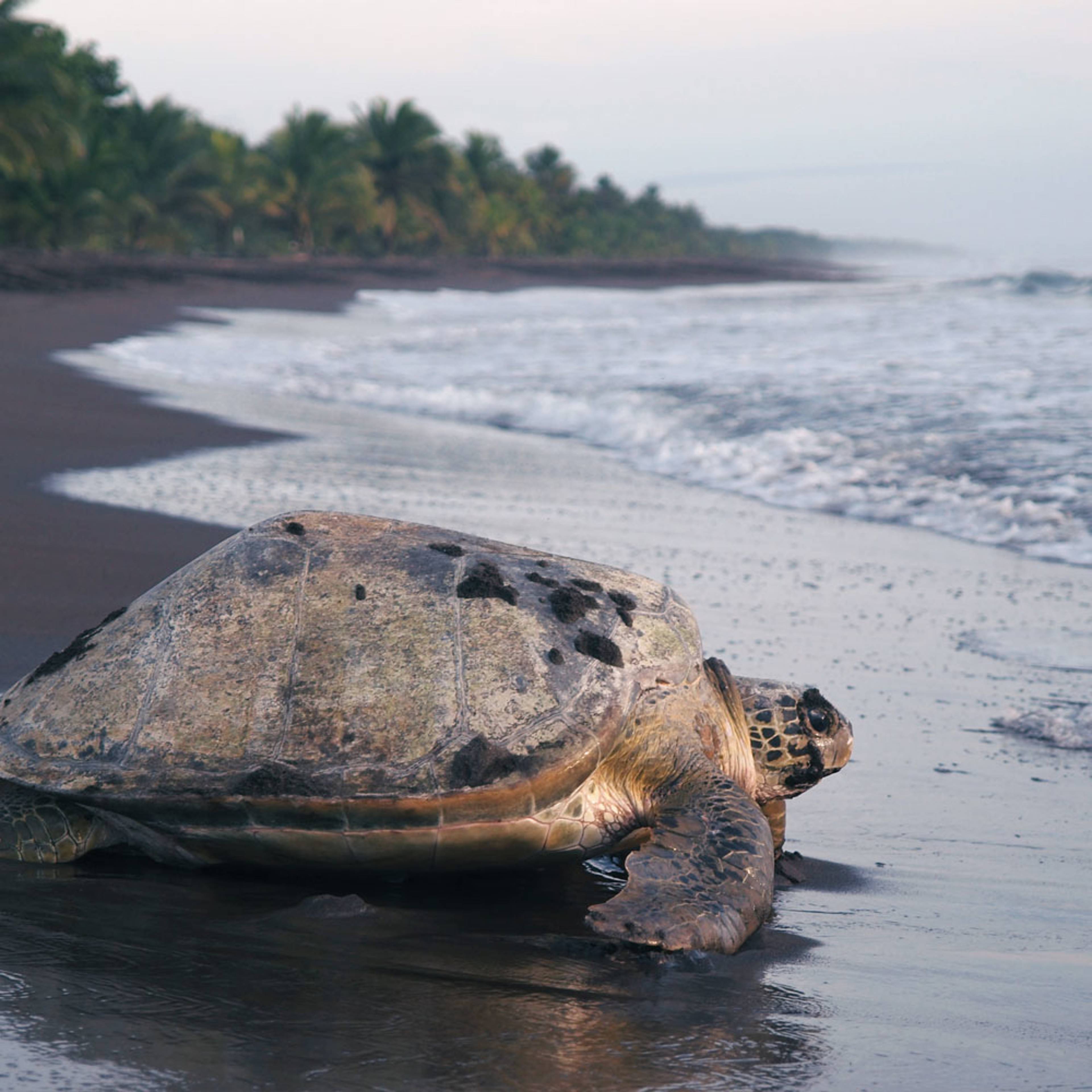
After dark, on the beach, green sea turtles emerge from the Caribbean Sea to lay their eggs, as they have for centuries. Often called the little Amazon of Central America, Tortuguero moves to the rhythm of water and sudden flashes of wildlife.
 ©
©
3. Arenal Volcano National Park: the sleeping force
In northern Costa Rica, near La Fortuna, Arenal Volcano National Park draws every eye with the perfect cone of its volcano. You’ll walk among hardened lava flows, giant ferns, and moss-covered trees. On a clear day, the summit still smokes, subtle but unmistakable. The volcano no longer rumbles, but it keeps watch.
The calls of howler monkeys echo through the rainforest, while hummingbirds dart between flowers. Underfoot, the black earth still carries the memory of past eruptions. After your hike, head for the natural hot springs, a true natural wonder.
 ©
©
4. Manuel Antonio National Park: the jewel of the Pacific
Manuel Antonio National Park is a small patch of rainforest that meets the ocean. Small in size, yes, but incredibly rich. On Costa Rica’s Pacific coast, just outside Quepos, this blend of jungle and white-sand beaches is bursting with life.
Hike through mossy forest on well-marked trails, listen to birds calling overhead, climb to sweeping viewpoints, then head back down for a swim in turquoise water. Go early in the morning with a local guide so you don’t miss the park’s hidden details.
 ©
©
5. Corcovado National Park: the edge of the world
In the far southwest of Costa Rica, at the tip of the Osa Peninsula, Corcovado is raw jungle, unfiltered. Primary rainforest drops all the way to the ocean, dense, humid, and untamed. You’ll walk for hours with every sense alert, following muddy trails where scarlet macaws call from the canopy. Here, a spider monkey. There, a tapir or a giant anteater.
For travelers who truly want to disappear into nature, Corcovado National Park is unforgettable. With a local guide and binoculars in hand, you’ll discover Costa Rica at its wildest and most alive.
 ©
©
6. Cahuita National Park: wild, easygoing paradise
On the Caribbean coast, south of Puerto Limón, Cahuita National Park is both wild and easy to explore. Here, the jungle spills onto the sand, and the sand runs into the sea. The trail follows the beach between roots, palms, and sea spray.
You might cross paths with a sloth, a crab, or an iguana basking in the sun. Underwater, another world opens up: coral, bright-colored fish, and turtles if you’re lucky. No need to rush or overplan. Walk at your own pace and take time to savor Costa Rica’s famous pura vida.
 ©
©
7. Marino Ballena National Park: to the rhythm of the whales
On the southern Pacific coast, near the village of Uvita, Marino Ballena National Park lives up to its name. Its warm waters welcome humpback whales, which come here to give birth from July to October, then again from December to April. From the beach, you can sometimes spot them spouting offshore.
At low tide, a sandbar shaped like a whale’s tail appears, a perfect coincidence. Far from the crowds, explore this national park on foot, by kayak, or with a snorkel mask, moving between mangroves, coral reefs, and quiet beaches. Marino Ballena is the sea as it should always be: free, calm, and sacred.
 ©
©
8. Rincón de la Vieja National Park: beneath the volcano’s breath
In northwestern Costa Rica, near Liberia, Rincón de la Vieja National Park breathes with the rhythm of the volcano that shares its name. You can feel heat underfoot, smell sharp sulfur in the air, and sense the low rumble rising from the ground. The jungle steams, springs bubble, and waterfalls burst from the forest.
Every trail brings a surprise: rainforest, sun-scorched pastures, fresh rivers where you can dip your feet. You’ll hear howler monkeys before you see them, spot a coati (a relative of the raccoon), and maybe glimpse a colorful toucan. With a local guide, you’ll step into a primal, vibrant world shaped by fire.
 ©
©
9. Monteverde National Park: the magic of the cloud forest
In northwestern Costa Rica, in the Puntarenas region, Monteverde is one of the country’s most beautiful parks, and certainly one of its most mysterious. Here, the cloud forest seems to float outside of time: mist slips between branches, moss covers the trunks, and trails wind among giant ferns and hanging bridges.
In this quiet, damp world, you’ll look for the resplendent quetzal, the elusive king of these highlands, or the quick, restless flight of hummingbirds. Monteverde National Park is more than a nature reserve. It’s a sensory experience, and a fragile sanctuary that deserves careful protection.
 ©
©
10. Carara National Park: where forests meet
An hour’s drive from San José, on the central Pacific coast, Carara National Park marks the meeting point of two worlds: dry forest and humid tropical forest. Walk beneath giant trees as scarlet macaws cut across the sky. In the mangroves, crocodiles wait, perfectly still. Farther on, capuchin monkeys leap between vines, and a sloth sleeps high above.
Every step reveals a new scene, and life is everywhere. Ideal for spotting scarlet macaws, Carara is a natural crossroads where biodiversity appears in its raw, wild, fascinating form.
 ©
©
11. Los Quetzales National Park: the kingdom of the quetzal
In the San José region, high in the Talamanca mountain range, Los Quetzales National Park seems to float in the mist at more than 6,500 feet above sea level. Cloud forests, icy rivers, lichens, and moss-covered trunks set the scene. Everything here is damp, green, and secretive.
This is a kingdom of birds, including the legendary resplendent quetzal, sometimes visible between the branches. Walk slowly, senses alert, carried by the cool mountain air. Here, there are no crowds and no overdone scenery, just the mountains, the gentle rhythm of walking, and the valuable stories shared by local guides.
 ©
©
12. Santa Rosa National Park: between jungle and history
A well-kept secret in Guanacaste Province, in northwestern Costa Rica, Santa Rosa National Park is one of the country’s wildest, and most historic, parks. Here, rare and precious tropical dry forest still stands.
You may see coatis, deer, howler monkeys, and sometimes even a puma. Elsewhere, the echo of the 1856 battle still lingers, preserved in the stones of an old hacienda. On the Pacific side, Nancite and Naranjo beaches welcome turtles at night and experienced surfers at dawn. Away from the crowds, it’s without question one of the most beautiful national parks in the country.
 ©
©
13. Marino Las Baulas National Park: the leatherback turtle sanctuary
Marino Las Baulas National Park, in Guanacaste Province on the northern Pacific coast, protects one of the world’s most important nesting sites for leatherback turtles. Between October and March, after nightfall, these ocean giants emerge to lay their eggs in the sand, a rare moment to observe in silence with a recommended guide.
During the day, explore the mangroves by kayak, watch seabirds, or relax on the wild beaches of Grande and Ventanas. This low-key park reflects Costa Rica’s commitment to sustainable development.
 ©
©
14. Palo Verde National Park: a land of wings
In the heart of Guanacaste, Palo Verde National Park is a bird lover’s paradise. Lagoons, marshes, and dry forests create a landscape that shifts with the seasons. At dawn, the calls of herons, ibises, roseate spoonbills, and wild ducks fill the air. Along the banks of the Tempisque River, you’ll see crocodiles and iguanas lounging in the sun.
Trails lead to lookout points where the plain opens wide and quiet, swept by the wind. Palo Verde may not seem spectacular at first glance, but its power lies elsewhere: in the quiet abundance of wildlife.
 ©
©
15. Barbilla National Park: the forgotten corner of jungle
Little known to travelers, Barbilla National Park is hidden on the Caribbean slopes of the Talamanca mountain range. Accessible only by four-wheel drive, this wild territory is best explored with a local guide, essential for understanding its richness and finding your way.
In the dense, humid jungle, quiet trails lead to rivers, waterfalls, and rare encounters: toucans, howler monkeys, bright-colored frogs, and maybe even the track of a jaguar. This is also the land of the Cabécar communities, one of Costa Rica’s Indigenous peoples. Here, nature and culture still coexist in a fragile balance, far from mass tourism.
 ©
©
In Costa Rica, true richness reveals itself slowly. So explore the national parks differently: follow a local expert, move at a gentle pace, and experience Costa Rica’s nature from within.
Frequently asked questions about Costa Rica’s national parks
How many national parks are there in Costa Rica?
Costa Rica has 29 national parks, all part of SINAC, the National System of Conservation Areas. Together, they cover about a quarter of the country and protect an incredible diversity of landscapes: active volcanoes, humid and dry tropical forests, nesting beaches for sea turtles, wetlands, and even offshore islands.
These parks are true living laboratories and the heart of the country’s environmental policy, recognized worldwide as a model for conservation.
Which national parks are must-sees in Costa Rica?
On a trip to Costa Rica, it’s hard to miss its national parks. Here are our top picks:
- Arenal Volcano National Park, with its smoking cone and hot springs, offers a striking natural spectacle.
- Corcovado National Park is a wild refuge where hundreds of bird species inhabit untouched jungle, drawing birders from around the world.
- Manuel Antonio National Park surprises with its forest-fringed beaches, where sloths and monkeys roam freely.
- Monteverde National Park invites you to wander through the mist of the cloud forest, among vines and hummingbirds.
- Tortuguero National Park, with peaceful canals and wild beaches, is home to caimans, herons, and sea turtles.
What is the best time to explore Costa Rica’s national parks?
The best time to explore the national parks is the dry season, from December to April, when trails are easier to walk, skies are clearer, and wildlife is often easier to spot. The green season, from May to November, brings lush forests, fewer people, and lower prices, but also more rain, especially in the afternoon. It all depends on what you’re looking for: reliable sun or a more intimate immersion in dense, rain-soaked nature.
 ©
©
Do you need a guide to visit the national parks?
A guide isn’t required to visit Costa Rica’s national parks, but it can transform the experience. With a local guide, you’ll notice the details you might otherwise miss: a sloth high in the canopy, a tiny frog, the song of a rare bird.
The guides recommended by our local agencies also share cultural stories and tips for respecting the environment. For a more responsible and immersive experience, it’s worth being accompanied so you can fully appreciate Costa Rica’s incredible biodiversity.
 ©
©
How can you explore Costa Rica’s national parks more responsibly?
Exploring Costa Rica’s national parks means stepping into nature that is both fragile and precious. Here are a few tips for visiting with care:
- Come prepared with the right gear: hiking shoes, lightweight but covering clothing, and rain protection.
- Always stay on marked trails, leave no trace, and observe wildlife from a distance.
- Choose low-impact activities like hiking, kayaking, or snorkeling.
- Finally, embrace pura vida: admiration, respect, and simplicity.