
Snorkeling in Costa Rica: a gentle dive into the sea
Snorkeling in Costa Rica means dipping your face below the surface and discovering a colorful, vibrant, and fragile world. You don’t need a scuba tank to experience the richness of Costa Rica’s marine ecosystems. Just put on a mask, snorkel, and fins, and you’ll find yourself surrounded by abundant sea life. Green turtles, butterflyfish, manatees, manta rays, a gentle immersion into Costa Rica’s marine world feels like a waking dream.
You can experience it along the Pacific coast, with its sun-soaked volcanic islands, or on the quieter Caribbean coast, where coral reefs meet lush, rustling jungle. From family-friendly beaches to protected reserves, here are our best tips for unforgettable snorkeling in Costa Rica.

Snorkeling in Costa Rica at a glance
- You can snorkel in Costa Rica on the Pacific coast, between volcanic islands and clear bays home to turtles and manta rays, or on the Caribbean side, where protected coral reefs, turquoise water, and tropical jungle create a more off-the-radar atmosphere.
- The dry season, from December to April, is the best time to go snorkeling in Costa Rica, with ideal visibility conditions.
- During a snorkeling session in Costa Rica, you may be lucky enough to see green turtles, manta rays, nurse sharks, colorful fish, starfish, and crustaceans.
- To make the most of the experience safely, go with local experts. They know the currents, can spot marine species, and will take you to the richest snorkeling areas in Costa Rica.
Where to go snorkeling in Costa Rica? The country’s nine best spots
1. Isla del Caño: a marine sanctuary off the Osa Peninsula
In southern Costa Rica, Isla del Caño is a protected biological reserve that draws both divers and snorkelers. Here, clear water reveals turtles, sharks, and tropical fish. It’s easy to understand why this sacred place for Indigenous peoples is still considered a sanctuary today. Snorkeling here feels like an expedition, with exceptional underwater visibility and a scene worthy of a natural aquarium.
 ©
©
2. Isla Tortuga: the tropical gem of the Gulf of Nicoya
The boat ride to Isla Tortuga is already part of the adventure. On this volcanic island in the Gulf of Nicoya, you can snorkel with family or on your own among reefs filled with angelfish and blue tangs. You may even spot dolphins offshore. Isla Tortuga is a tropical, postcard-perfect spot with a lively atmosphere, best explored outside peak season if you’re looking for a quieter experience.
 ©
©
3. Cahuita National Park: between coral reefs and tropical jungle
On the Caribbean coast, Cahuita National Park is home to one of the country’s most accessible coral reefs. Here, you swim above colorful reef fish, turtles, angelfish, and crustaceans, while the surrounding jungle echoes with the calls of howler monkeys. The contrast is striking, with lush forest answering the gentle rhythm of waves in crystal-clear water.
 ©
©
4. Manzanillo and Puerto Viejo: snorkeling and Afro-Caribbean culture
In the southern Caribbean, not far from the Panama border, the villages of Manzanillo and Puerto Viejo offer a unique Afro-Caribbean atmosphere. Enjoy gallo pinto, a traditional Costa Rican dish made with rice and black beans, served with scrambled eggs or plantains, before swimming in calm water where coral formations meet tropical fish. Here, snorkeling is part of the easygoing rhythm of a still-under-the-radar corner of the country.
 ©
©
5. Playa Conchal: an ideal spot for beginners
In Guanacaste Province, in northern Costa Rica, Playa Conchal gets its name from the thousands of crushed shells that make up its sparkling sand. Surrounded by lush vegetation and views of the Pacific Ocean, it’s a favorite spot for families and nature lovers. You can snorkel right from the beach, swimming among starfish, moray eels, butterflyfish, and pufferfish. The atmosphere is calm and family-friendly, perfect for enjoying the pleasures of snorkeling with ease.
 ©
©
6. Sámara: gentle snorkeling in a protected spot
On the northern Pacific coast, Sámara Bay is sheltered by a natural reef that softens the waves, making it a great place to try snorkeling. Snorkeling spots are accessible directly from the beach and protected from strong currents. With mask and snorkel in hand, you can head into the water from shore or kayak toward the island to swim among schools of tropical fish. Far from major resort areas, Sámara feels unique, relaxed, and welcoming for families.
 ©
©
7. Uvita: swim at the heart of the whale’s tail
In the South Pacific, Uvita Beach is known for its unique natural formation: a sandbar shaped like a whale’s tail, called the “cola de la ballena,” visible at low tide. Explore turquoise water, colorful coral reefs, and abundant underwater life. From July to October, and again from December to March, humpback whales can be seen offshore, a rare spectacle that makes Uvita an unforgettable spot where snorkeling and wildlife watching come together in harmony.
 ©
©
8. Santa Rosa National Park: wild snorkeling far from the crowds
In northwestern Costa Rica, Santa Rosa National Park protects a vast area of dry forests, mangroves, and remote beaches. Here, snorkeling feels like a wild interlude, almost untouched, far from tourist infrastructure. In clear water bordered by cliffs, you may spot colorful fish, small crustaceans, and sometimes shy rays. Santa Rosa is the Pacific in its rawest form: a rare, untamed snorkeling experience where silence and pristine landscapes take center stage.
 ©
©
9. Isla del Coco: the ultimate adventure off Costa Rica
More than 310 miles from the mainland, Isla del Coco is a UNESCO-listed marine reserve accessible by boat. A favorite among scuba divers, the island also amazes snorkelers with the richness of its waters: hammerhead sharks, giant manta rays, and shimmering schools of fish. Surrounded by rainforest and waterfalls, this spectacular setting offers an extraordinary adventure. Isla del Coco is more than a snorkeling spot. It’s a journey into a protected sanctuary, an expedition to the edge of the world.
 ©
©
When is the best time to go snorkeling in Costa Rica?
Costa Rica’s tropical climate alternates between dry and rainy seasons, which strongly affects underwater visibility, sea conditions, and the overall experience. Here’s what to know to enjoy the coral reefs in the best possible conditions.
Pacific coast: December to April, the season that reveals the colors
On the Pacific coast, the best snorkeling moments happen during the dry season, from December to April. During this period, the water is clear, rain is rare, the swell eases, and visibility is at its best, especially around Isla del Caño, Isla Tortuga, and the small coves of Guanacaste Province.
Caribbean coast: September and October, calm after the rains
On the Caribbean coast, the weather is more unpredictable, but September and October are especially favorable months for snorkeling. At this time of year, the sea becomes calmer, visibility improves after the heavy rains, locally called aguaceros, and marine life appears in full force. It’s a peaceful, authentic window that’s well worth planning around.
Visit our dedicated page to know more about the best time to visit Costa Rica.
 ©
©
Underwater Costa Rica: abundant local marine life
Costa Rica’s exceptional biodiversity reflects a remarkably well-preserved ecosystem, from coral reefs to mangroves and tropical forests.
Below the surface, Costa Rica reveals a living kaleidoscope:
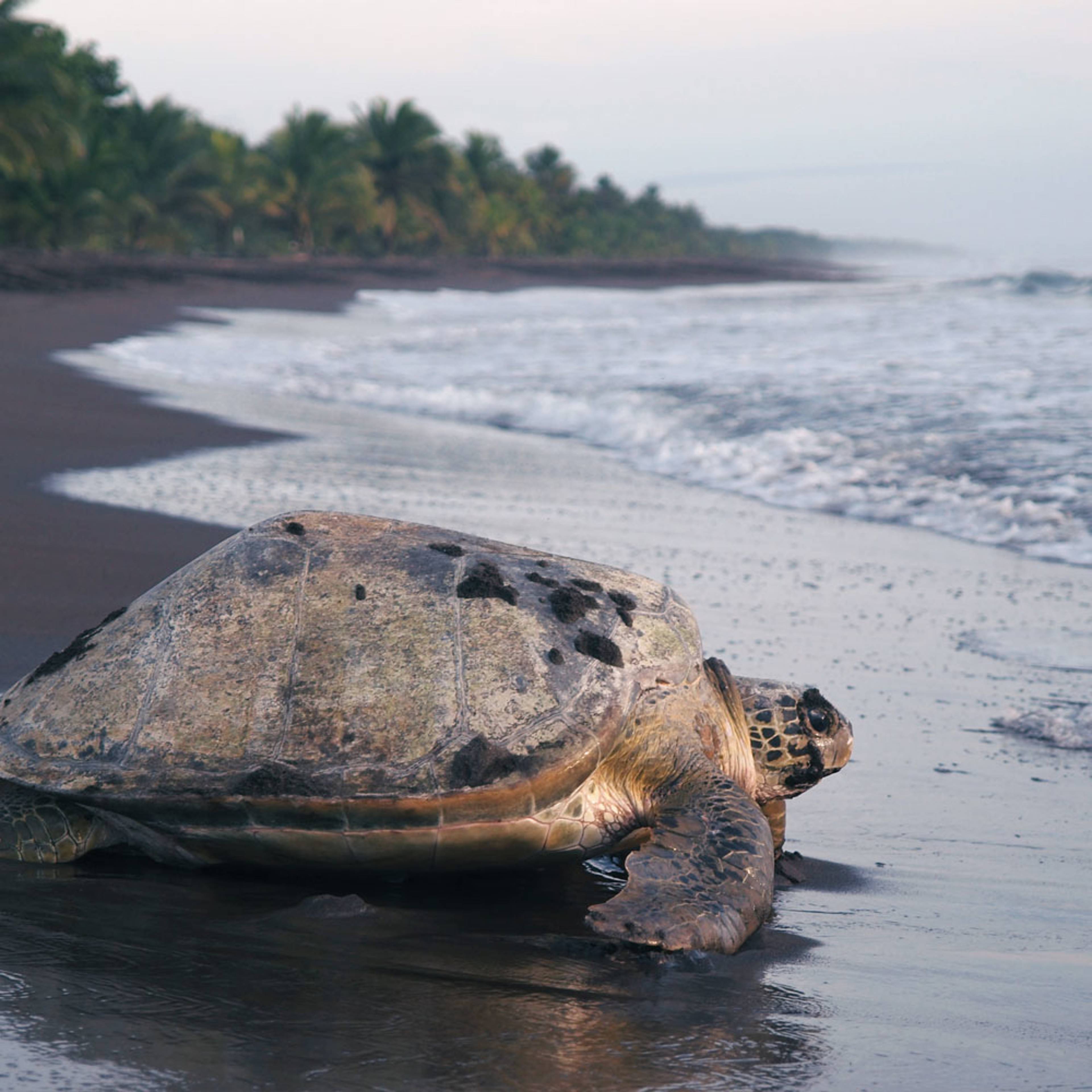
- Green turtles: you may see them gliding slowly through warm water, sometimes with a remora attached to their shell. Meeting the calm gaze of a turtle is an unforgettable experience.
- Manta rays: their huge black-and-white wings ripple underwater, casting a magical shadow as they pass.
- Nurse sharks: harmless and often resting on the seafloor, they have a calm presence and impressive look that instantly catches your attention.
- Colorful fish: blue tangs, angelfish, parrotfish, and butterflyfish light up the reefs with vivid flashes of color. In tight schools, they turn a snorkeling session into a living fresco.
- Starfish and crustaceans: from discreet crabs to bright blue starfish, it’s easy to be amazed by the richness of these small creatures scattered across sandy bottoms or clinging to rocks.
About the size of West Virginia, Costa Rica is home to nearly 6% of the world’s biodiversity. Snorkeling here takes on a deeper meaning: an intimate encounter with marine life that seems to move in rhythm with the ocean.
 ©
©
Responsible snorkeling: sharing the sea with care
A local guide: why good support matters
In Costa Rica, snorkeling with local guides means combining safety with authenticity. They understand sea conditions, know how to read currents, and can adapt the outing to the group’s experience level. Their presence is reassuring, especially if it’s your first time snorkeling. It’s also a meaningful way to travel: by choosing experienced coastal guides, you directly support local communities and their conservation initiatives.
Embracing a more responsible way to travel
Snorkeling is about more than putting on a mask and snorkel. You can also enjoy the water from a clear kayak or on a sailboat outing, experiencing the sea without disturbing it. The key is to choose small-scale excursions, such as local cooperatives that limit group sizes and respect the time spent at each site. Our partner Planeterra already selects committed guides who help promote more sustainable, authentic tourism and ocean-friendly experiences.
Good habits to help protect the reefs
Underwater, every gesture matters. To protect coral and the species that live in this ecosystem, follow one simple rule: observe without touching. Don’t collect shells or starfish, don’t feed the fish, and make sure you leave nothing behind. By following the Leave No Trace principle, you help keep the beauty of the reefs intact for future generations.
 ©
©
Frequently asked questions about snorkeling in Costa Rica
Is it dangerous to swim in Costa Rica?
Costa Rica is a safe destination for swimming and snorkeling, but a few common-sense precautions are important, especially because of strong currents. Some Pacific coast beaches can have powerful rip currents or impressive waves. Before getting in the water, always check the conditions, go with someone, choose supervised areas when possible, and ask locals or local experts for advice.
Can you touch coral or collect shells?
No, you should never touch coral while snorkeling. Costa Rica’s coral reefs are fragile, and even the smallest contact can damage them. Look with your eyes, not your hands, and leave with memories in your mind, not in your pocket.
Can you feed fish or get close to marine animals?
No, don’t feed fish or approach marine animals too closely. It may seem harmless, but it can disrupt their natural behavior and weaken the balance of coral reef ecosystems.
The best approach? Keep your distance, observe, and let the magic happen. Turtles, rays, or schools of fish may sometimes come your way on their own.
What gear do you need for snorkeling?
A well-fitting mask, a comfortable snorkel, and the right fins are enough for a snorkeling session. Some excursions provide gear, but bringing your own ensures the best comfort. And one extra tip: choose biodegradable sunscreen to help keep the ocean clean.